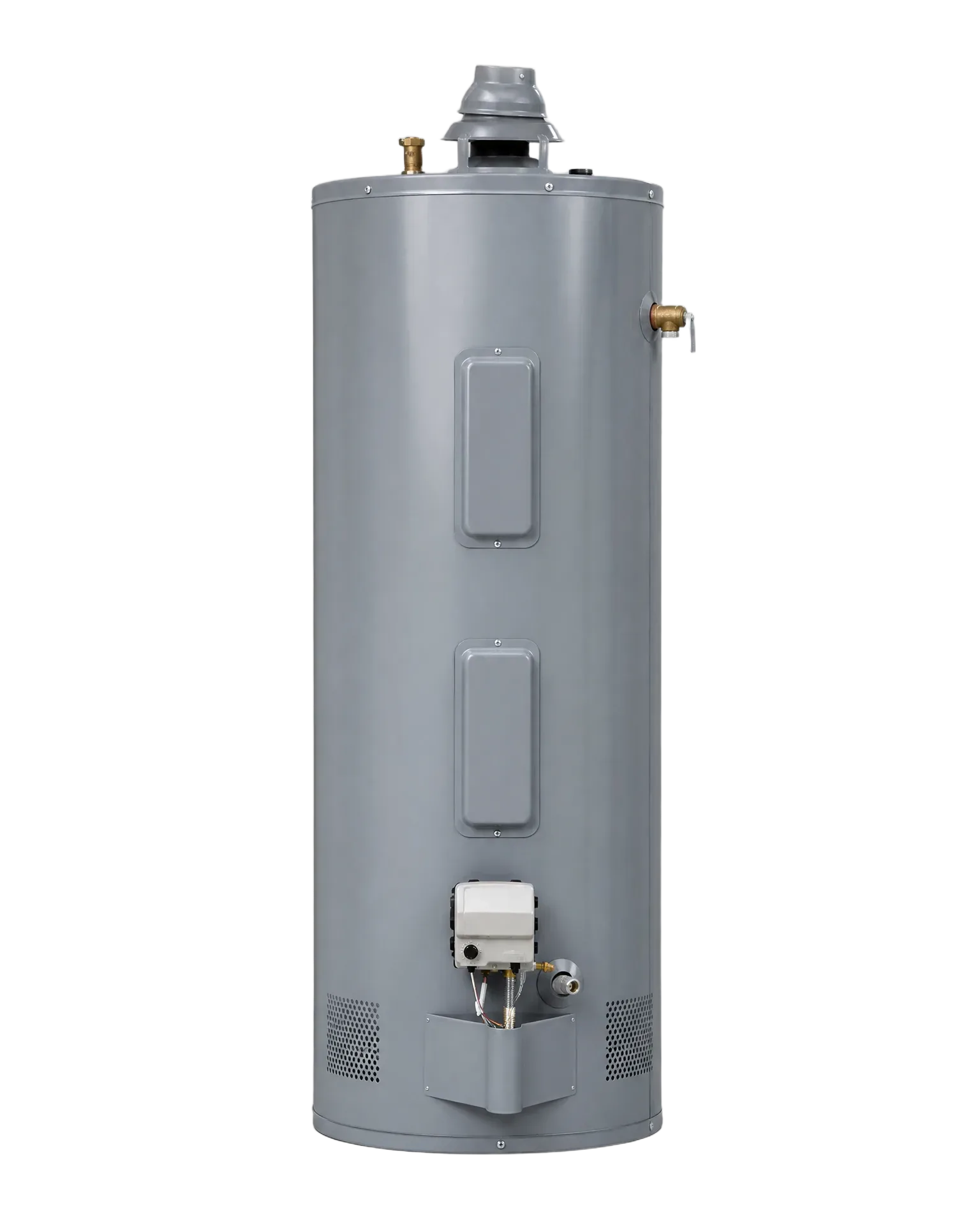
A tank that's keeping up
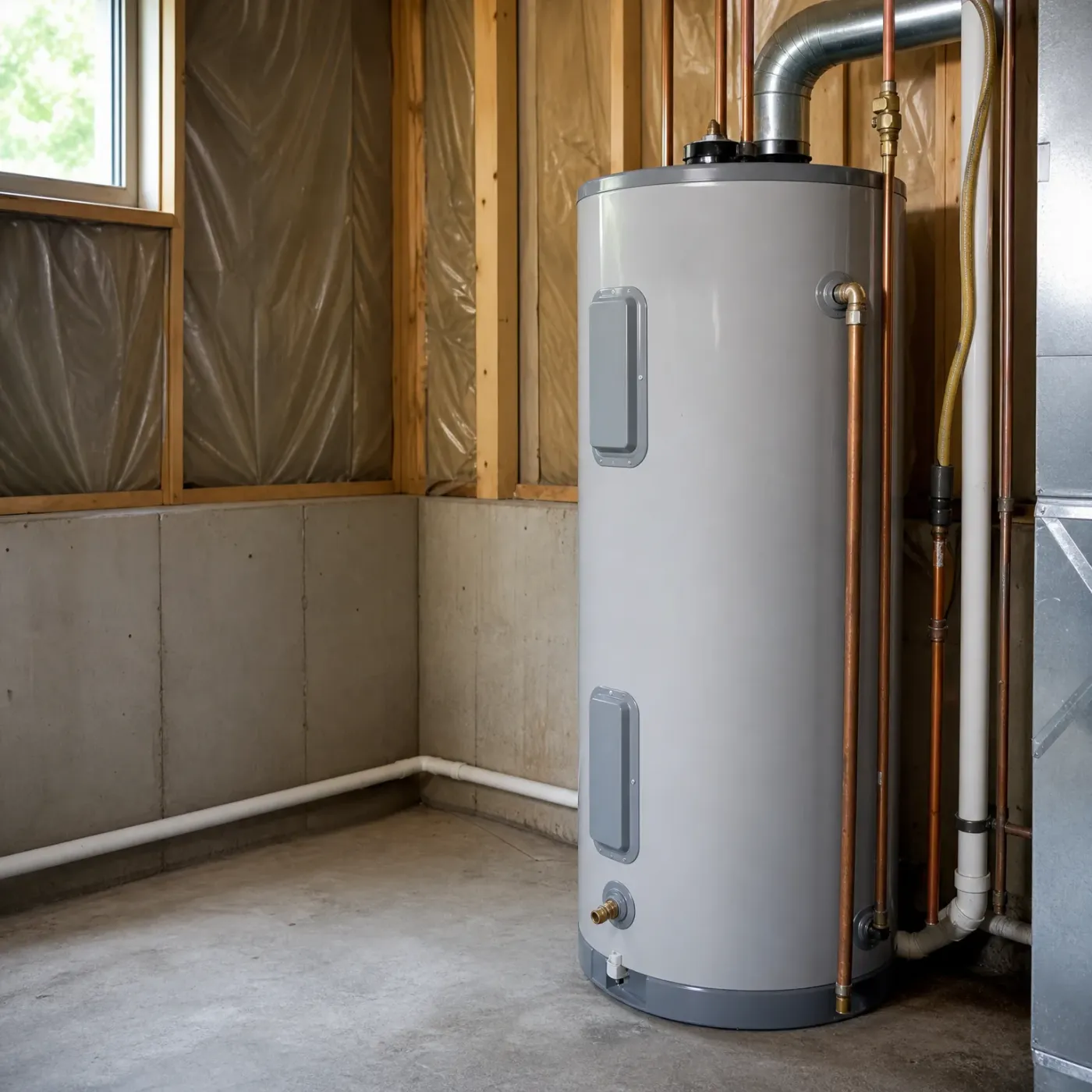
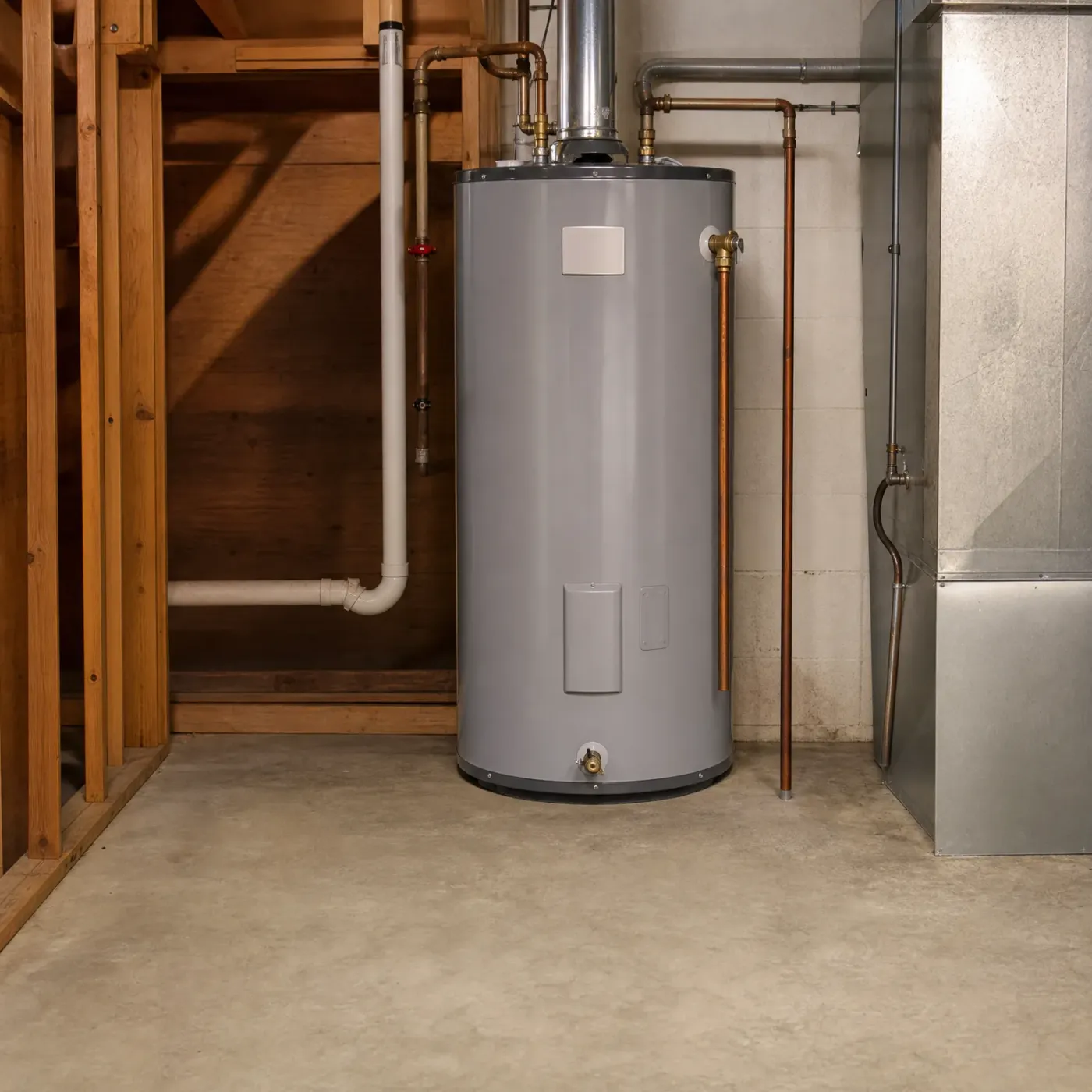
This one sits clean against the wall, copper lines and the vent pipe tight at the top. No rust streaking down the side, no damp spot at the base. Whatever fuel runs it, this is what a water heater doing its job looks like.
You're replacing a water heater or putting one in a new spot, and before you call anyone you want to know which fuel actually makes sense for your house. You already know gas is what most of your neighbors use. You're wondering if that's just habit or if there's a real reason, and whether cheap power changes the math for you.
Most homes in Oklahoma already have a gas line run for the furnace, so a gas water heater uses a connection that's already there. Gas heats water faster too, which matters more here than it sounds. A family coming in from a hot, sticky summer day runs through hot water quicker, back to back showers, dishes, laundry, and a gas unit recovers faster between uses. Electric isn't a bad choice. Power here is cheap, and if your home doesn't have gas run to it, or never did, electric avoids the cost of adding a gas line just for the water heater. The right answer depends on what's already feeding your house, not just which fuel runs cheaper on paper.
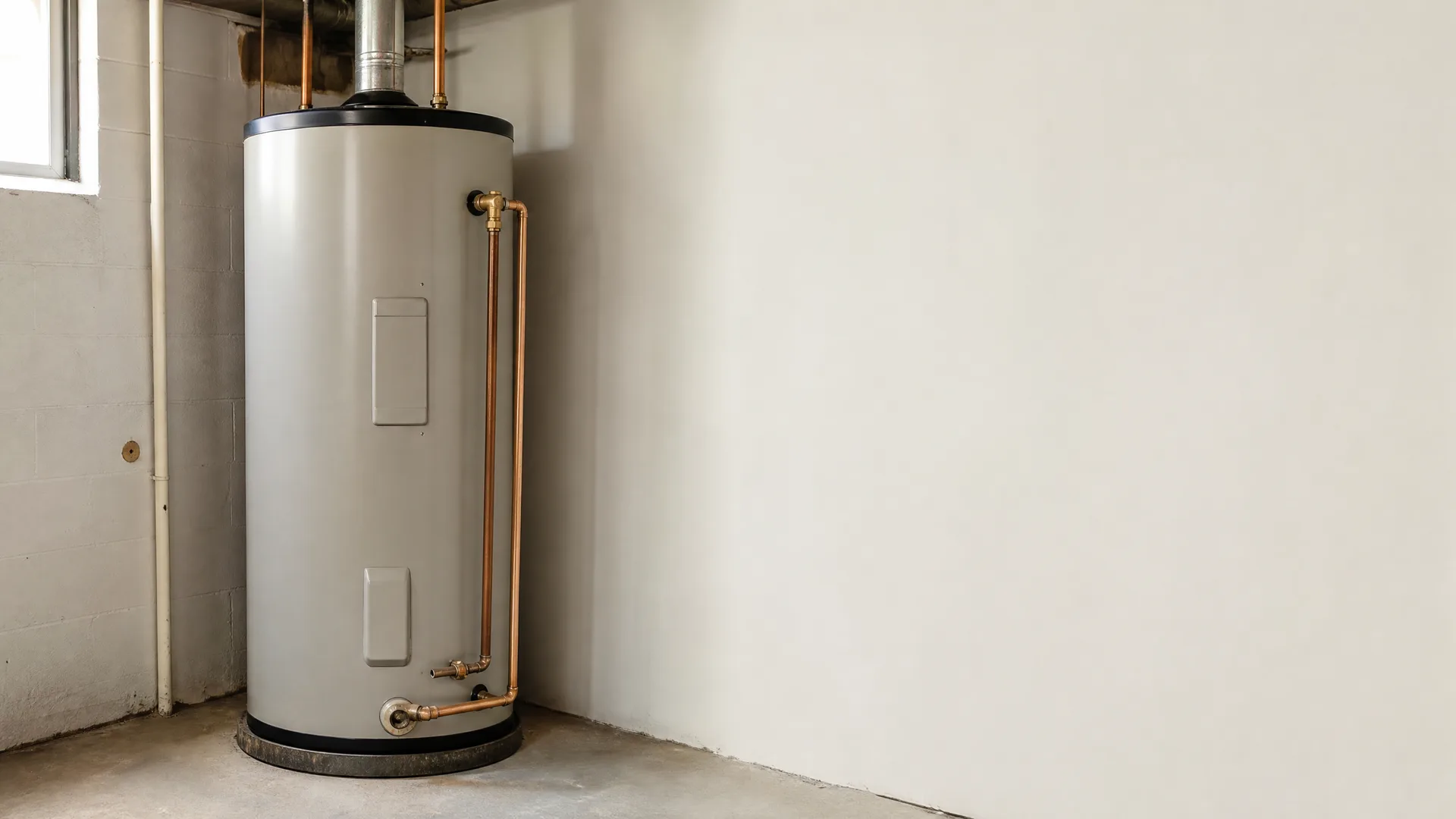
A gas burner heats the water in the tank directly, so a gas water heater can recover a full tank of hot water in under an hour. An electric water heater relies on one or two heating elements inside the tank, which takes longer to bring a tank back up after a run of showers or a load of laundry. If your household empties the tank often, that recovery time is the difference you'll feel.
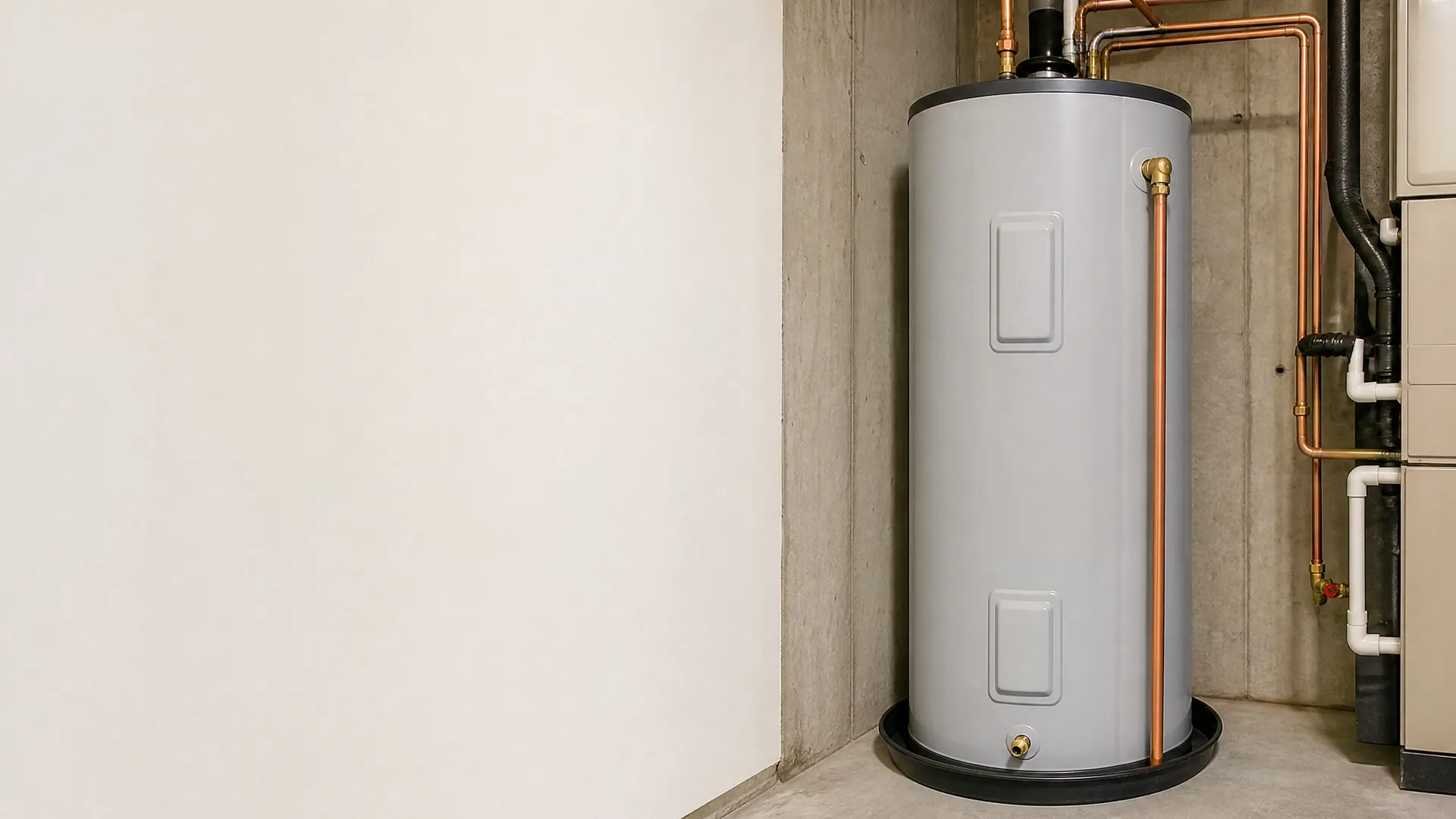
Electric rates here are low enough that an electric water heater's running cost sits closer to a gas unit's than it does in most states. Gas still costs less to run month to month, but the gap is narrower in Oklahoma than elsewhere. An electric water heater also skips the vent pipe a gas unit needs to carry exhaust outside, which matters if you're installing one somewhere a vent can't easily reach.
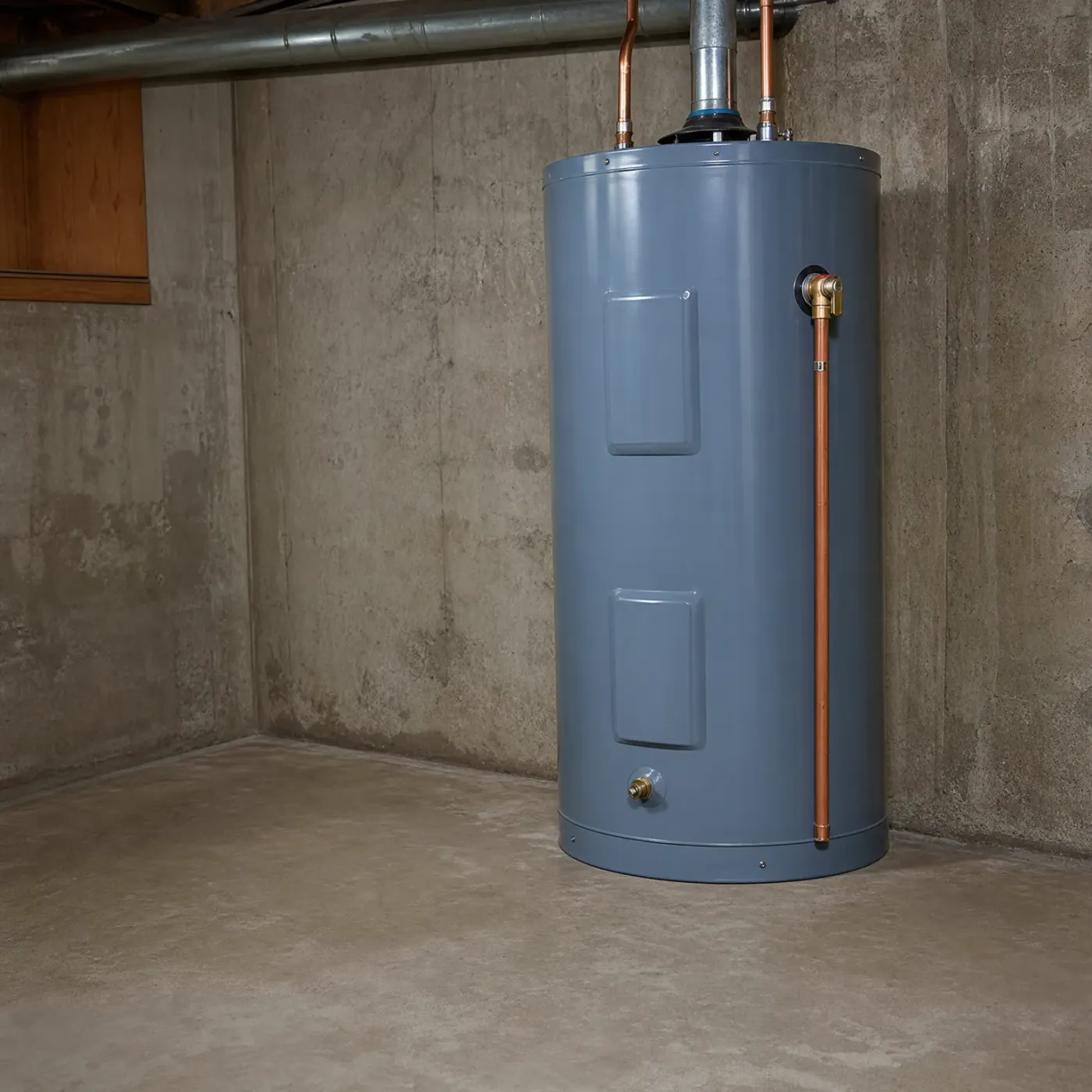
This one sits clean against the wall, copper lines and the vent pipe tight at the top. No rust streaking down the side, no damp spot at the base. Whatever fuel runs it, this is what a water heater doing its job looks like.
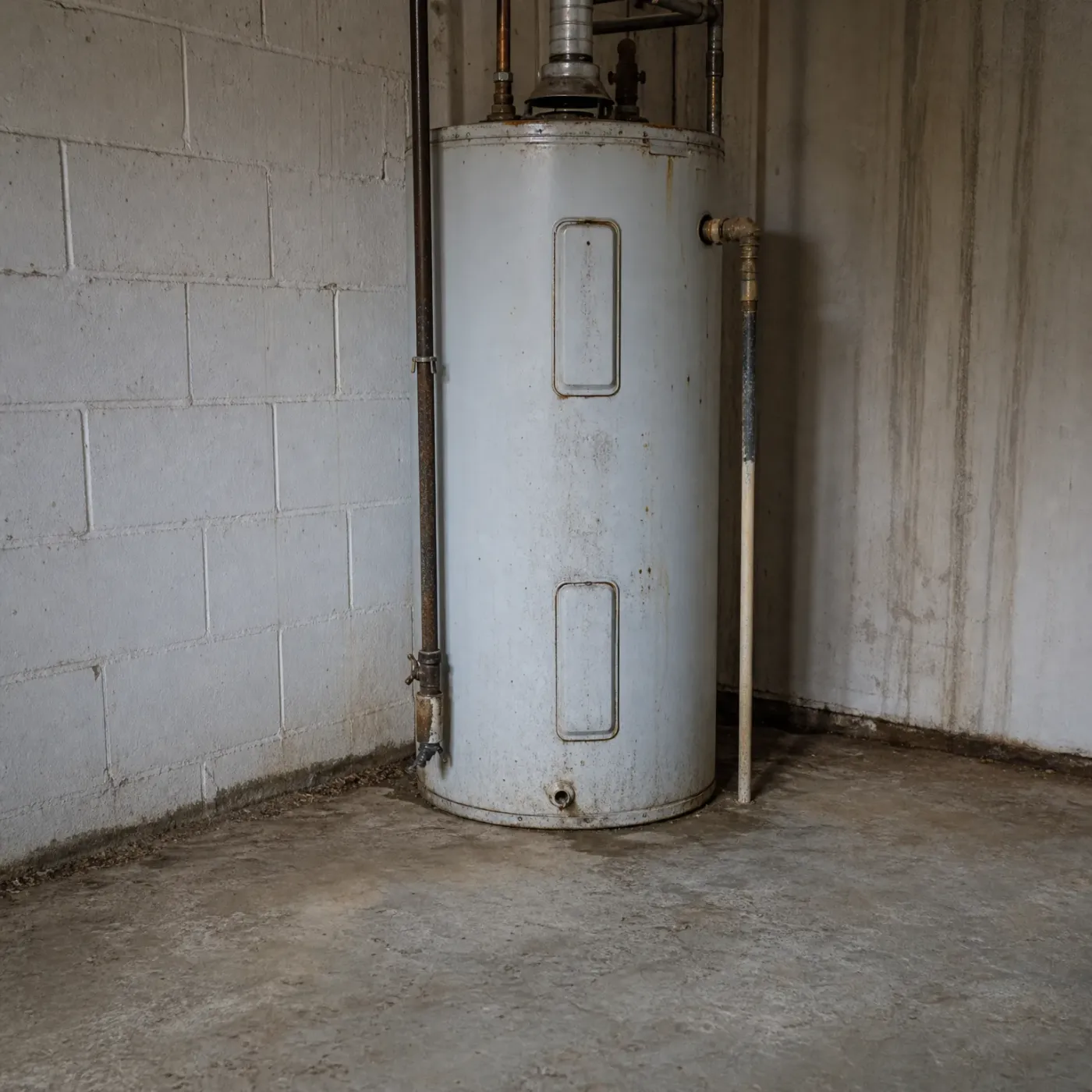
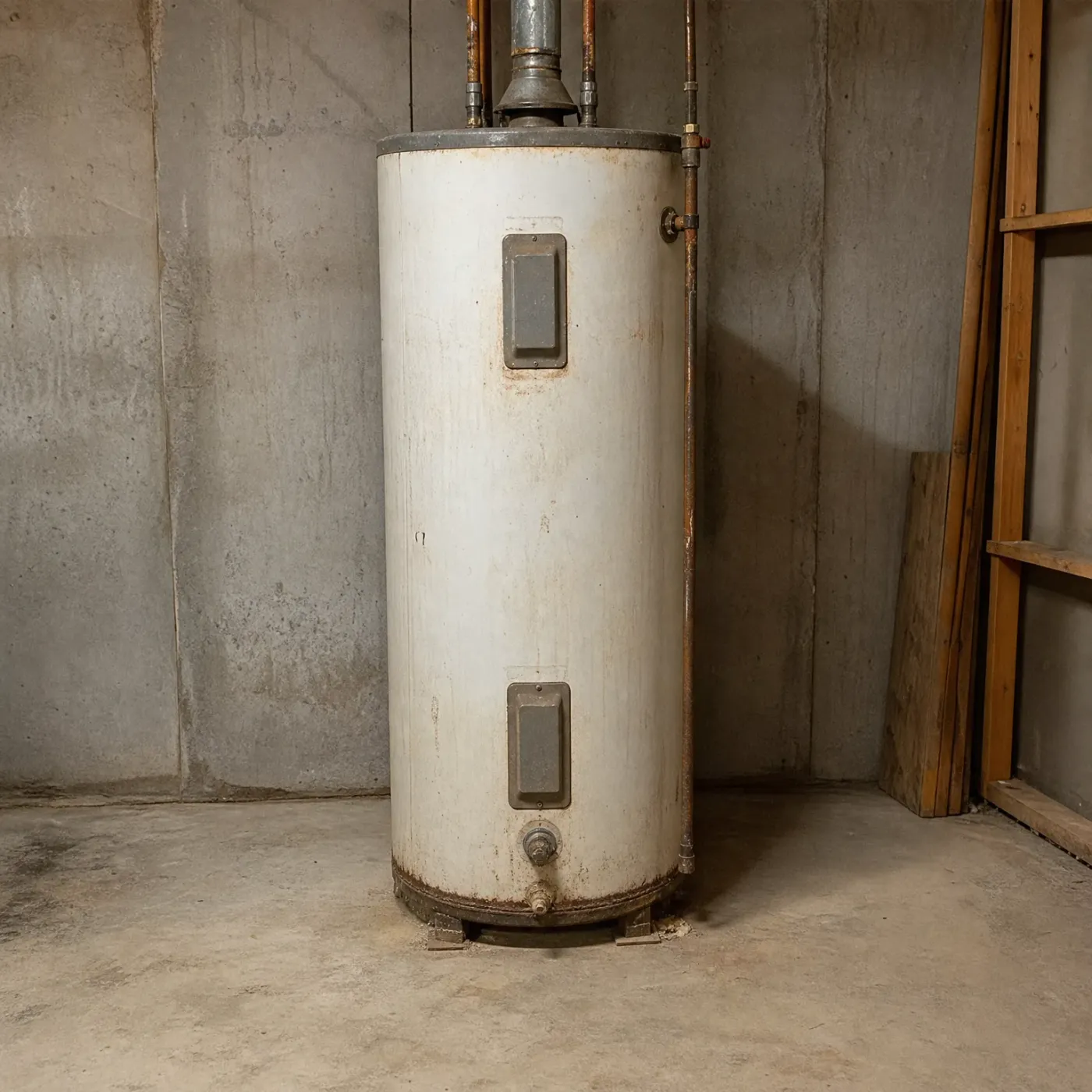
Rust has worked across the whole tank, not just a spot near the bottom. Once the steel corrodes like this, a leak isn't a question of if. Gas or electric, a tank in this shape needs replacing before it fails on its own schedule.




Skip collecting and comparing quotes for the new water heater.
A local pro who knows water heaters gets your details and gets in touch.
There's no charge for the request.

If your household runs two showers back to back, or someone starts the dishwasher while the washing machine's going, an electric tank can leave the second or third person with lukewarm water. That gap shows up most in the colder months, when the water coming into the tank starts out colder and the elements have more work to do before it's hot. A gas tank in the same spot recovers fast enough that most households don't notice the order they shower in.
None of that means electric is wrong for your house. It means the right choice depends on how your household actually uses hot water, and whether your water heater's current spot has a gas line already run to it or would need one added. That's a judgment call worth making with someone who can look at your setup instead of guessing at it. Once you're matched with a contractor who installs water heaters in your area, you can walk through your household's routine with them and skip the back and forth of calling around to find out who even handles gas line work.

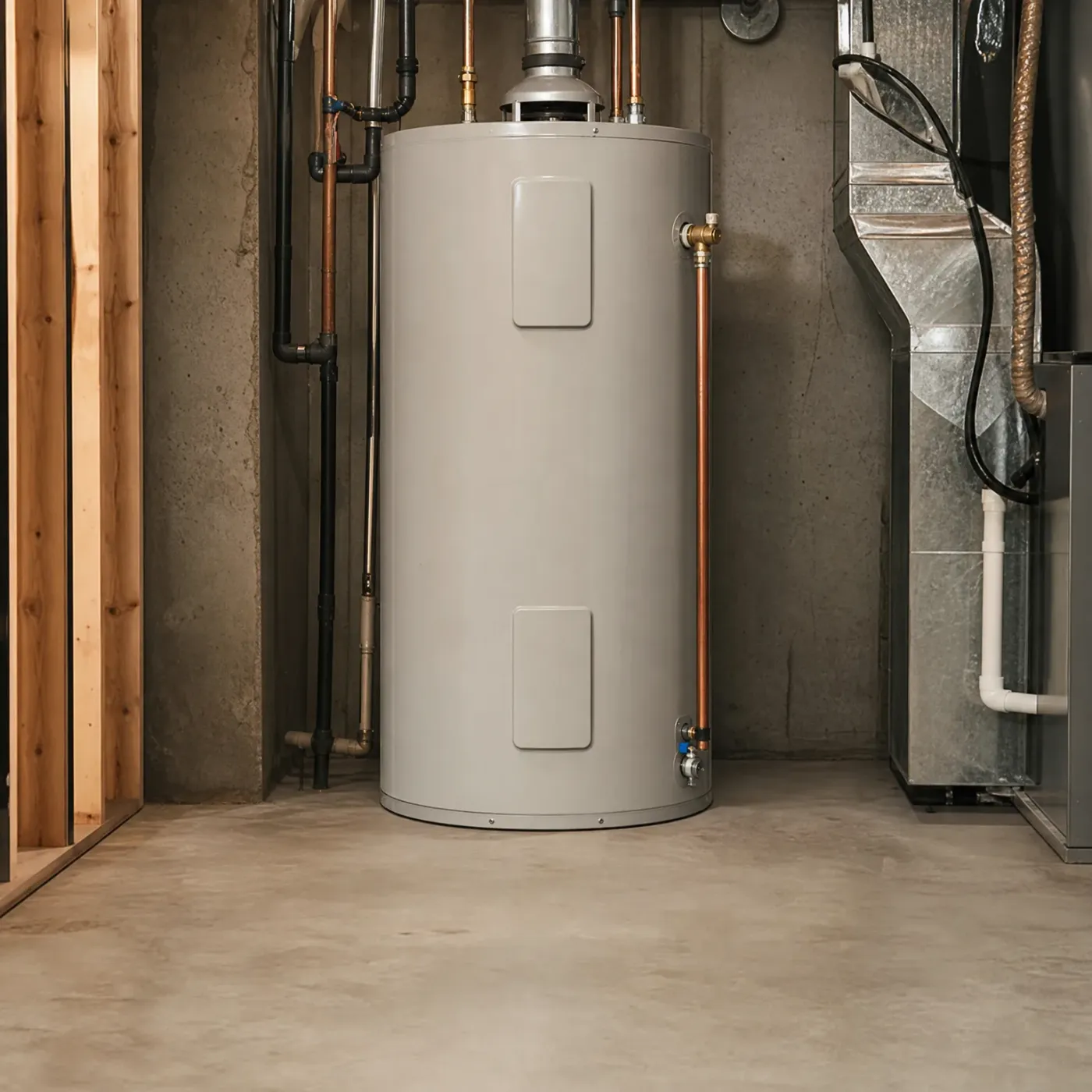
This electric water heater sits connected to copper and black pipes, brass fittings tight, the pressure-relief valve in place. The furnace next to it runs its own ductwork, separate from the tank entirely. Whatever fuel you choose, this is what a correct installation looks like, lines run clean and nothing improvised.
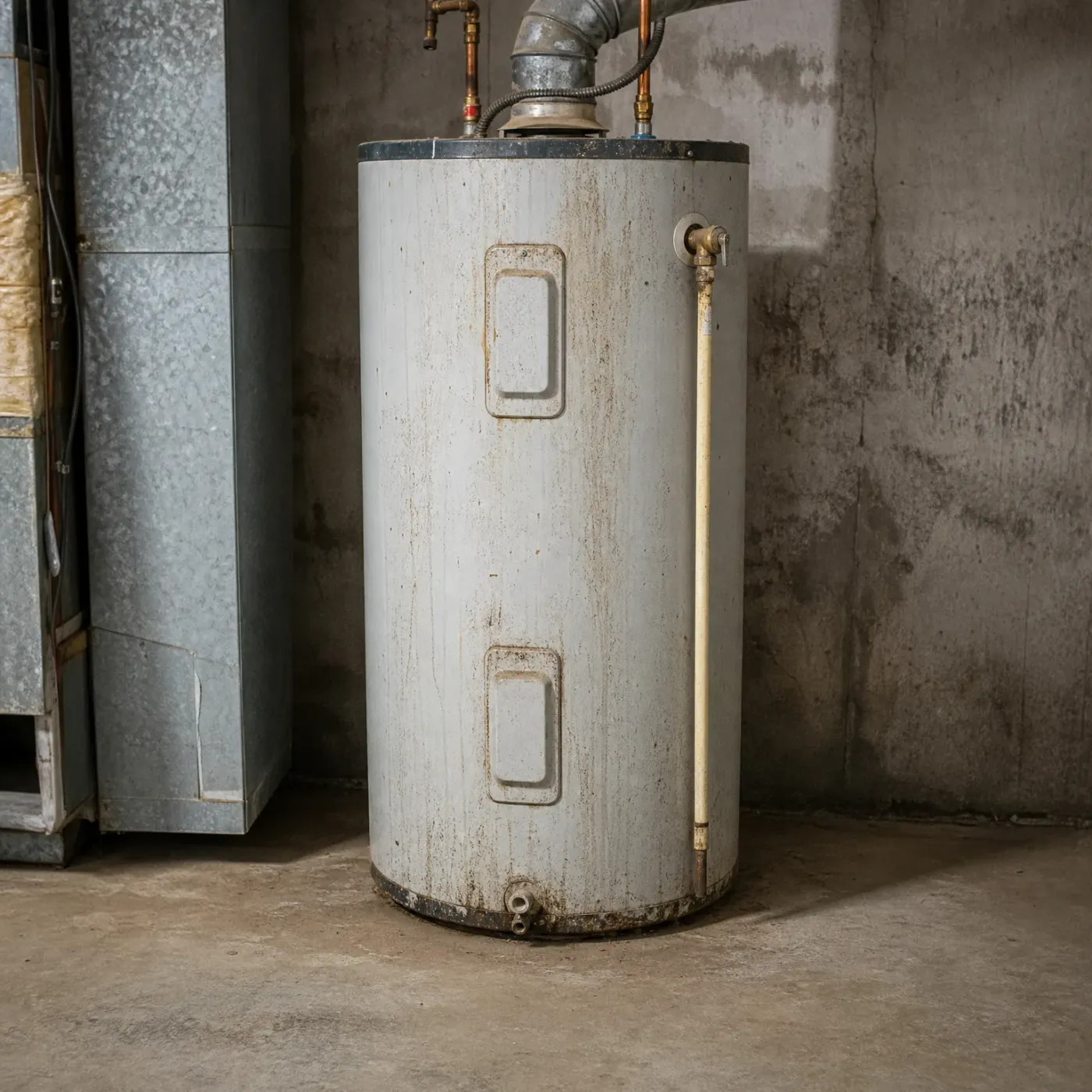
Rust covers this tank's full height, and the wall behind it is bare block, nothing finished about the space. The relief valve and discharge pipe still sit on its side, but a tank rusting like this one is closer to a leak than a repair. This is what tells you it's time for a new unit, not a patch job.
You notice it most on a Saturday morning, when the dishwasher's running and someone's still in the shower and the water starts going lukewarm. Or you notice it when the bottom of the tank feels warm to the touch, or there's a faint rumbling sound from inside it. A rusty hose bib on the tank, or a drip at the base, means the tank itself is on its way out, and waiting on it risks a flooded closet or utility room. None of this means you have the wrong fuel type. It means the unit you have is undersized for what your house asks of it, or it's old enough that it's losing the fight.
Most Oklahoma homes have a gas line at the water heater already. If yours doesn't, running one adds work before the tank itself goes in.
Power here is cheap, but an electric water heater still takes longer to heat the same tank, and that adds up over a year of showers and laundry.
Half the homes around you already run gas, so if yours is one of them, the line is sitting right there at the tank. That's the easy case for a gas water heater. If your house is in the other half, you're weighing electric against the cost of running a new line in.
ACS 2020-2024 5-year B25040
If you already have a gas line at the water heater, staying with gas gets you faster recovery and a tank that keeps running through a power outage. If you don't, electric saves you the cost of adding one, and power here is cheap enough that running it isn't the burden it is in other states. Either way, the tank has to match what your house actually asks of it on a Saturday morning with two showers and a dishwasher going at once. That's the part worth getting right, more than the fuel itself. Once you know which one fits your house, the next step is getting it installed by someone who's done this in homes like yours, sized the gas line or the circuit correctly, and can tell you on the spot whether your current setup already supports the switch or needs work first. You don't have to work that out alone.


A pro who works on water heaters
Skip searching for a water heater pro and answer a few questions instead.
