
Flushed on schedule
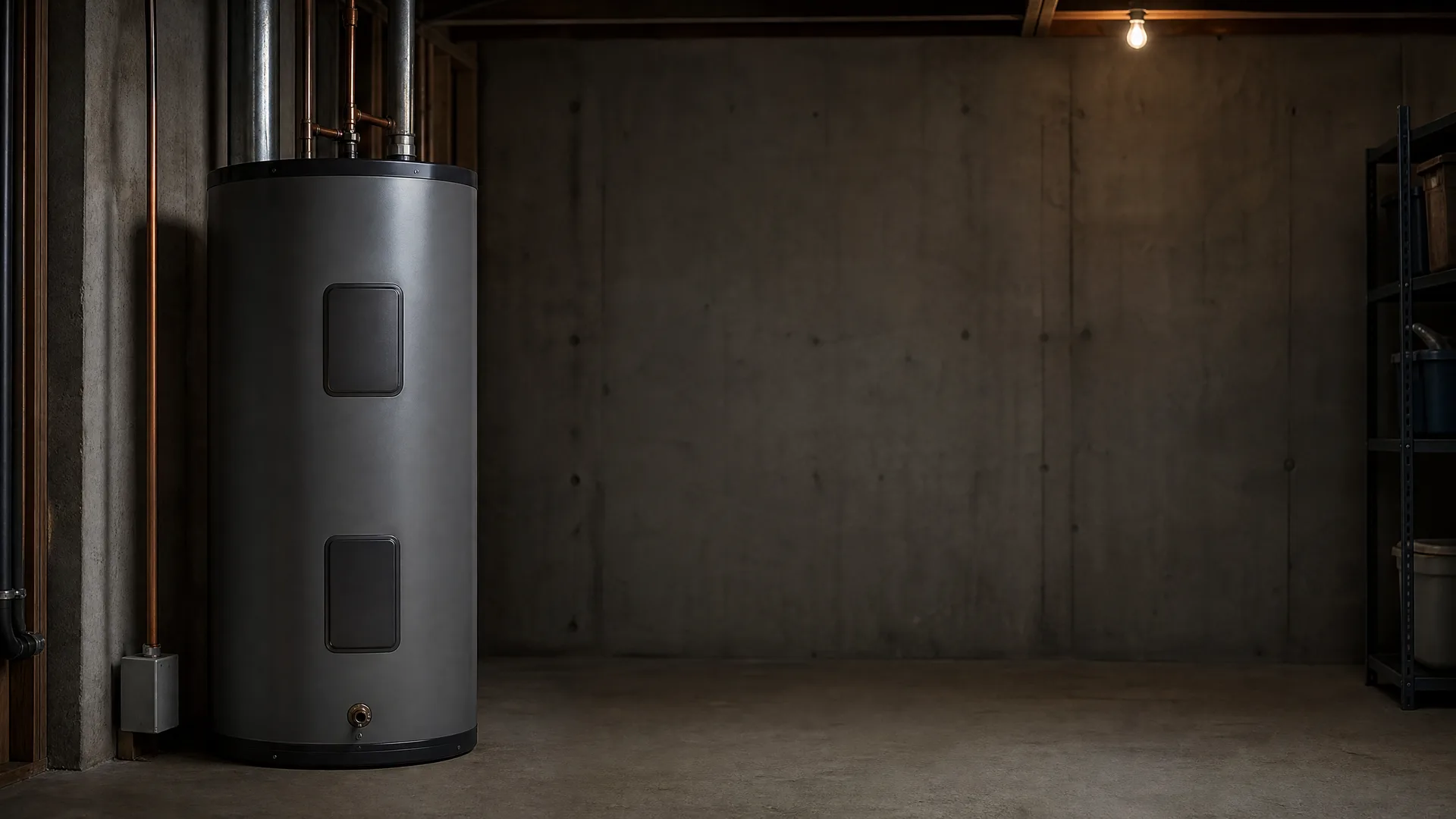
This is what a tank looks like when the flushes happen. The fittings are clean, the relief valve is doing its job, and the flue vent is clear. Nothing here tells you when it was last serviced, because it doesn't need to.
 Get a local pro
A local pro who services water heaters gets in touch about the tune-up.
Oklahoma water is hard in a lot of towns, and that hardness ends up as sediment sitting in the bottom of your tank. Once a year is the general rule for flushing a gas water heater, and if your water runs harder than average, twice a year holds the sediment down better. Gas water heaters here run most of the year since Oklahoma summers are humid enough that the tank is working even when the furnace isn't.
A tank that never gets flushed builds a layer on the bottom, and the burner has to push heat through that layer to reach the water above it. Over time that layer hardens, and it takes a contractor who knows what they're looking at to tell how much has built up and whether a flush will clear it or whether the tank has already taken damage from it.
Finding that person is its own job. You'd be searching contractor sites, calling a few, telling each one the same thing about your tank and your water, then sitting with quotes that are hard to compare because nobody priced the same work. Some won't call back. Some will quote a flush without ever asking about your water hardness or how old the tank is, which matters here.
This page matches you with a contractor who works on water heaters in your area and knows what Oklahoma water does to a tank over a year. They reach out to you directly, so the conversation starts with someone who already has the context instead of starting over. What they find once they're out at your tank, and what they recommend from there, is between you and them.
Once a year works for most gas water heaters in Oklahoma, and that's the number to go by if you don't know your water's hardness offhand. Sediment settles out of hard water and collects at the bottom of the tank, and in a lot of Oklahoma towns the water is hard enough that it builds up faster than people expect. That layer sits between the burner and the water, so the heater has to work through it to heat the tank, and a thick enough layer can start to drown out noise from the burner or leave less hot water than you're used to. If your water runs on the harder side, flushing twice a year, say spring and fall, keeps the sediment from packing down into something a simple flush can't clear anymore. A tank that's never been flushed often holds more than a quick drain will remove the first time.
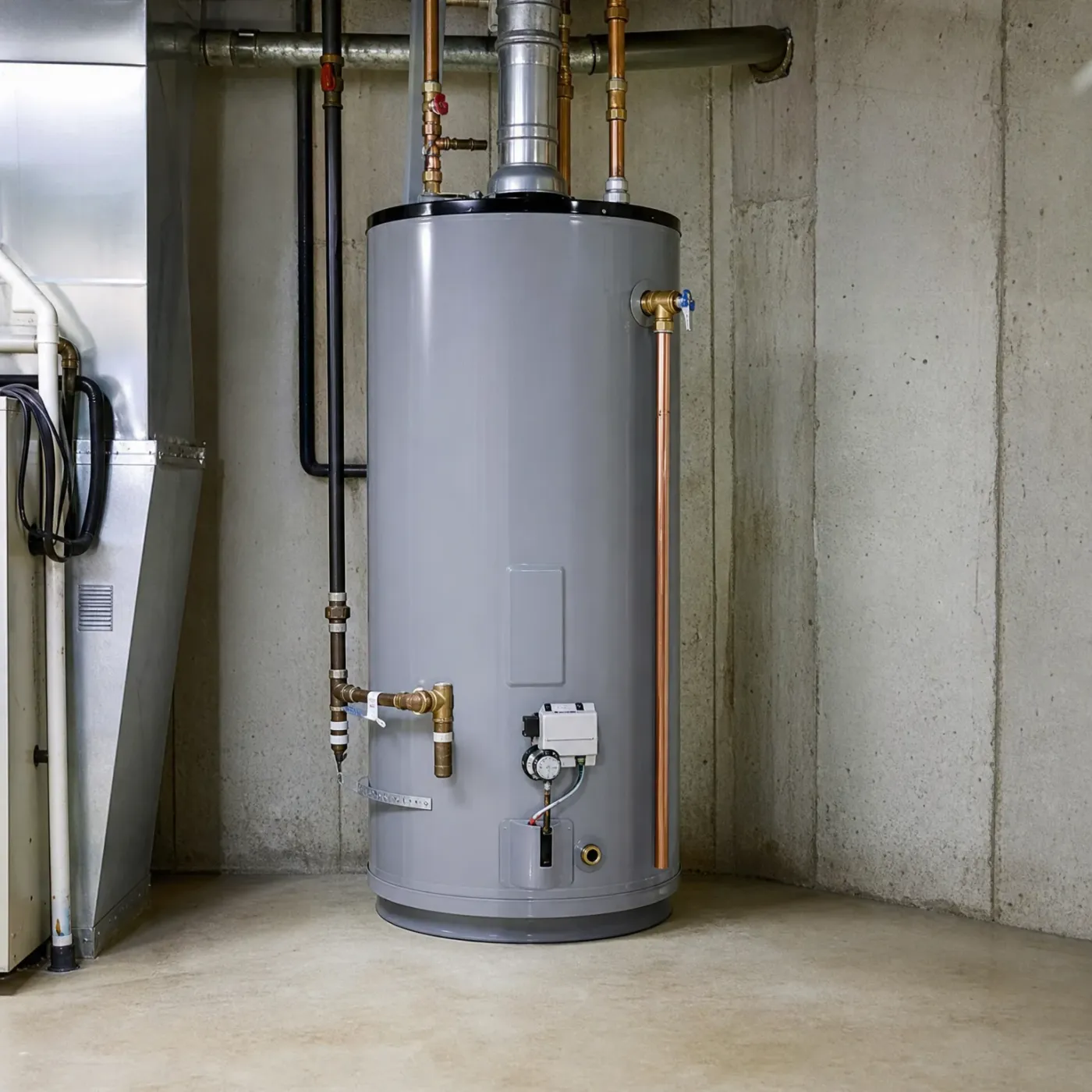
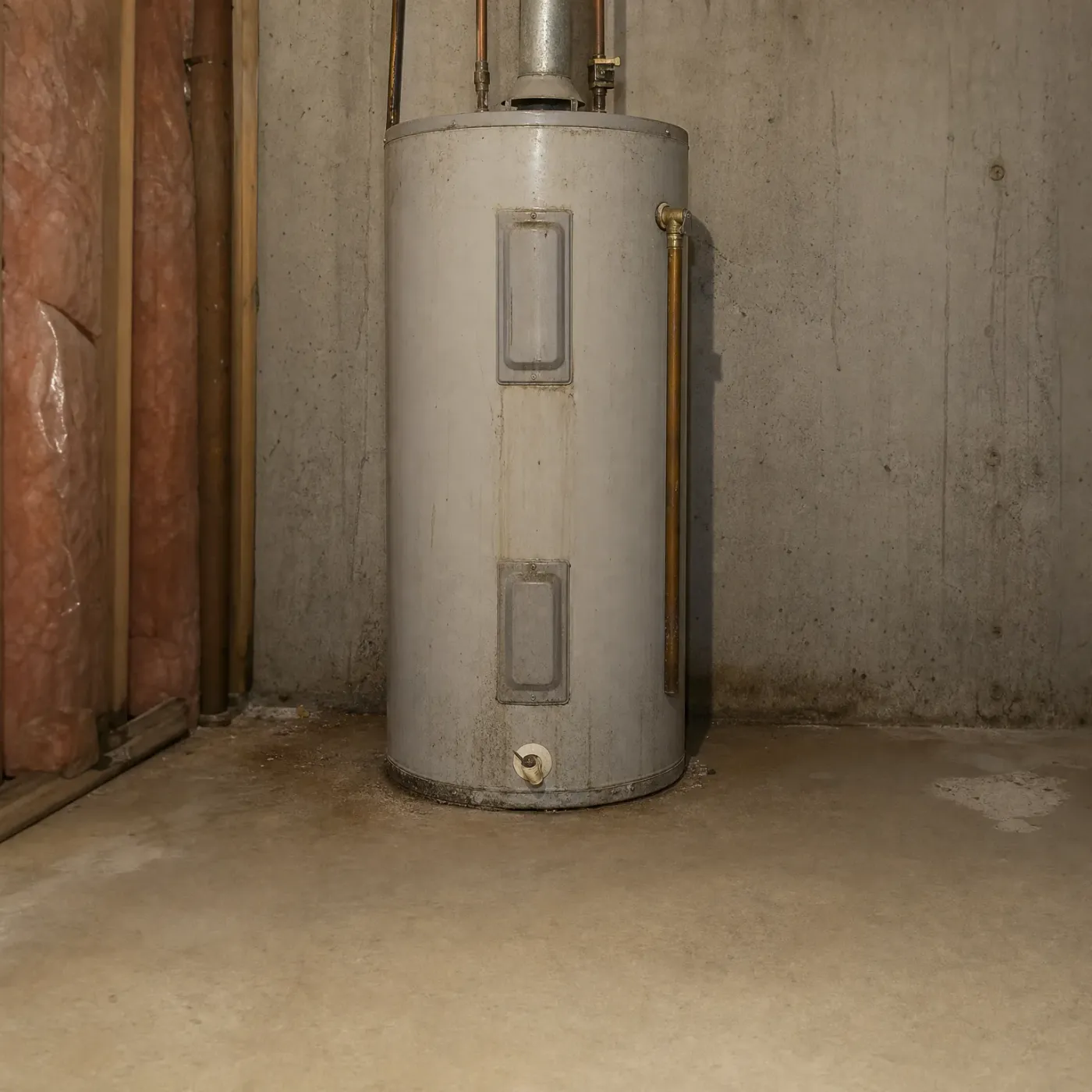
Shut off the gas or power and let the tank cool
Close the cold water supply valve at the top
Hook a hose to the drain valve and run it outside
Open the drain valve and let the tank empty out




You know your own tank, how old it is, whether the valve has ever been touched since the house was built. Checking that valve once a year sounds simple until you're the one under the tank finding out it won't turn, or deciding whether what's coming out of the hose looks normal. Most people put this off not because they doubt it matters but because fitting it in means finding someone who'll actually do it, then explaining the same thing about your water, your tank, and your town to every plumber you call before you get a straight answer or a quote you can compare. A tank that's never been flushed and one that's overdue by a year look the same from the outside, and most homeowners aren't equipped to tell which one they're standing in front of. Handing this off means someone who knows Oklahoma water and gas tanks takes it from here, so the only thing left on your end is the water heater getting looked at.
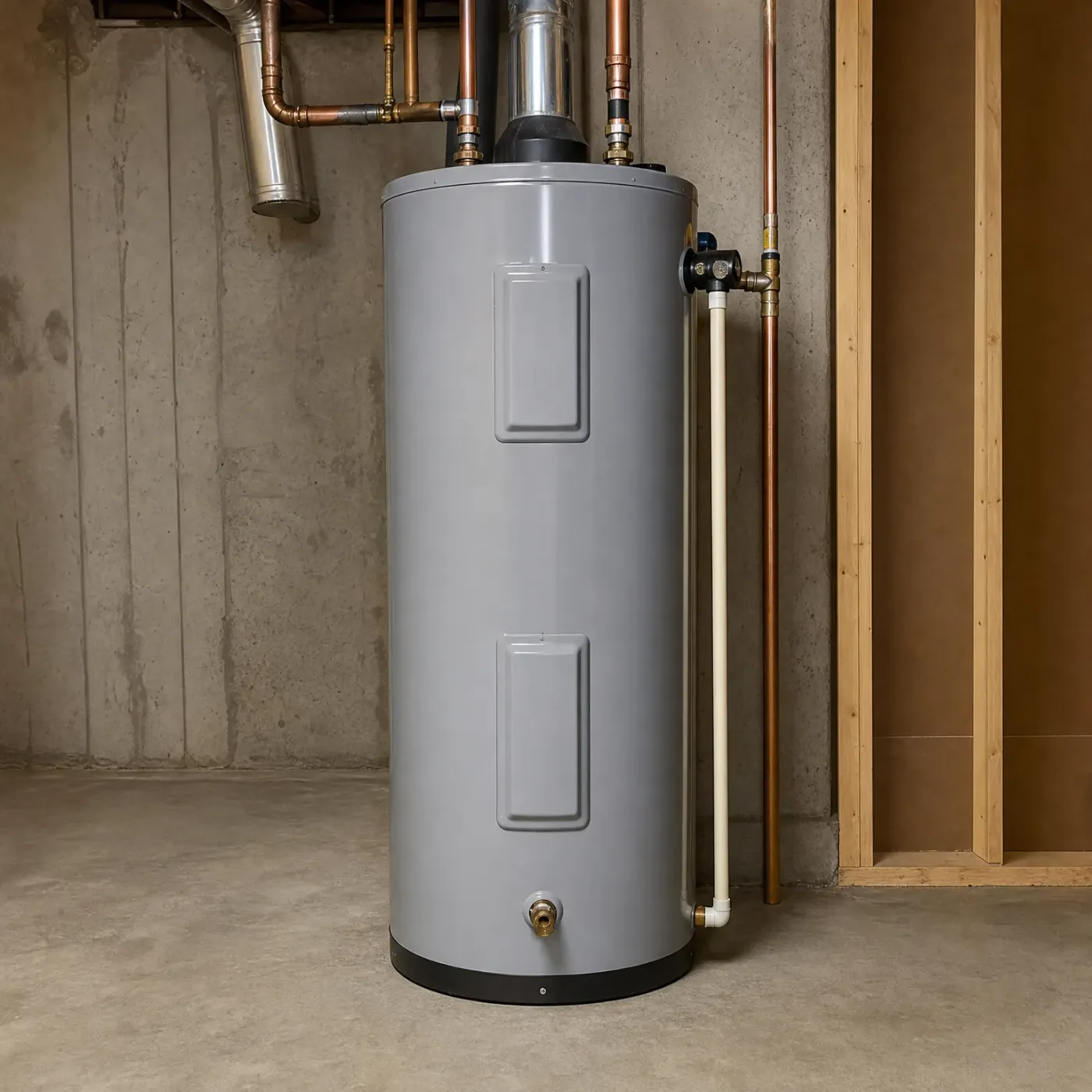
This is what a tank looks like when the flushes happen. The fittings are clean, the relief valve is doing its job, and the flue vent is clear. Nothing here tells you when it was last serviced, because it doesn't need to.
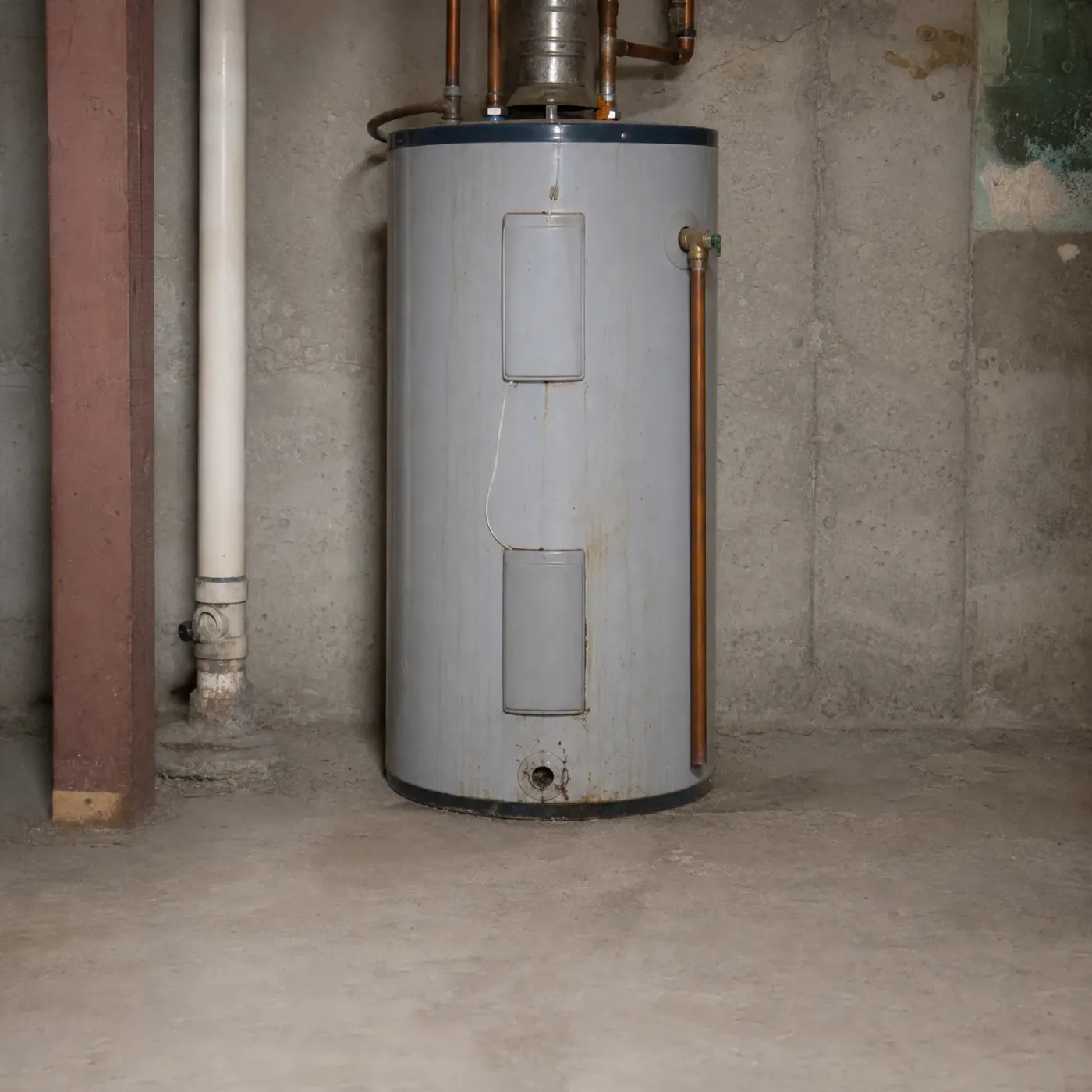
Rust at the base like this means sediment has been sitting against the tank wall long enough to eat through it. Once you see rust here, flushing won't reverse it. The tank is already on its way out.


A tank holds the same gas burner or heating element working against whatever's settled on the bottom. Sediment sits between the flame and the water, so the burner runs longer to get the same tank of hot water up to temperature.
Power here is cheap, so that extra burner time doesn't hit the bill as hard as it would elsewhere. The sediment still costs you the tank itself, well before it should've worn out.
Close to half the homes in Oklahoma run a gas water heater, yours likely among them. That burner sits underneath the tank, right where sediment collects, so a gas tank feels sediment buildup faster than one heated by an element partway up the side. The flush matters more because of it.
ACS 2020-2024 5-year B25040
Once a year is the number for most gas water heaters in Oklahoma, twice if your water runs harder than average. That's the whole answer. Sediment builds at the bottom of the tank no matter how the tank looks from the outside, so there's nothing to see that tells you it's due. You go by the calendar, not by appearance. Left alone, that sediment hardens against the glass lining and rusts the tank from the inside, and the burner underneath works harder to push heat through it, which shows up on the power bill whether or not you've noticed anything wrong with the hot water yet. None of that announces itself early. A flush on schedule is what keeps the tank from getting there.
What usually gets in the way isn't the flush itself. It's finding a contractor who treats a maintenance call as worth taking, rather than something to fit in after repair jobs. That means calling around, explaining the same tank and the same question to each one, and sorting through quotes before you've even got a date set. Getting matched with a contractor skips that part. You explain your situation once, to the contractor who reaches out, and the rest of it, the comparing and re-explaining, is what you don't have to do. The flush still has to happen on its own schedule. Getting someone out to do it is the part that gets easier.
One form instead of hunting for a pro who does water heater tune-ups.