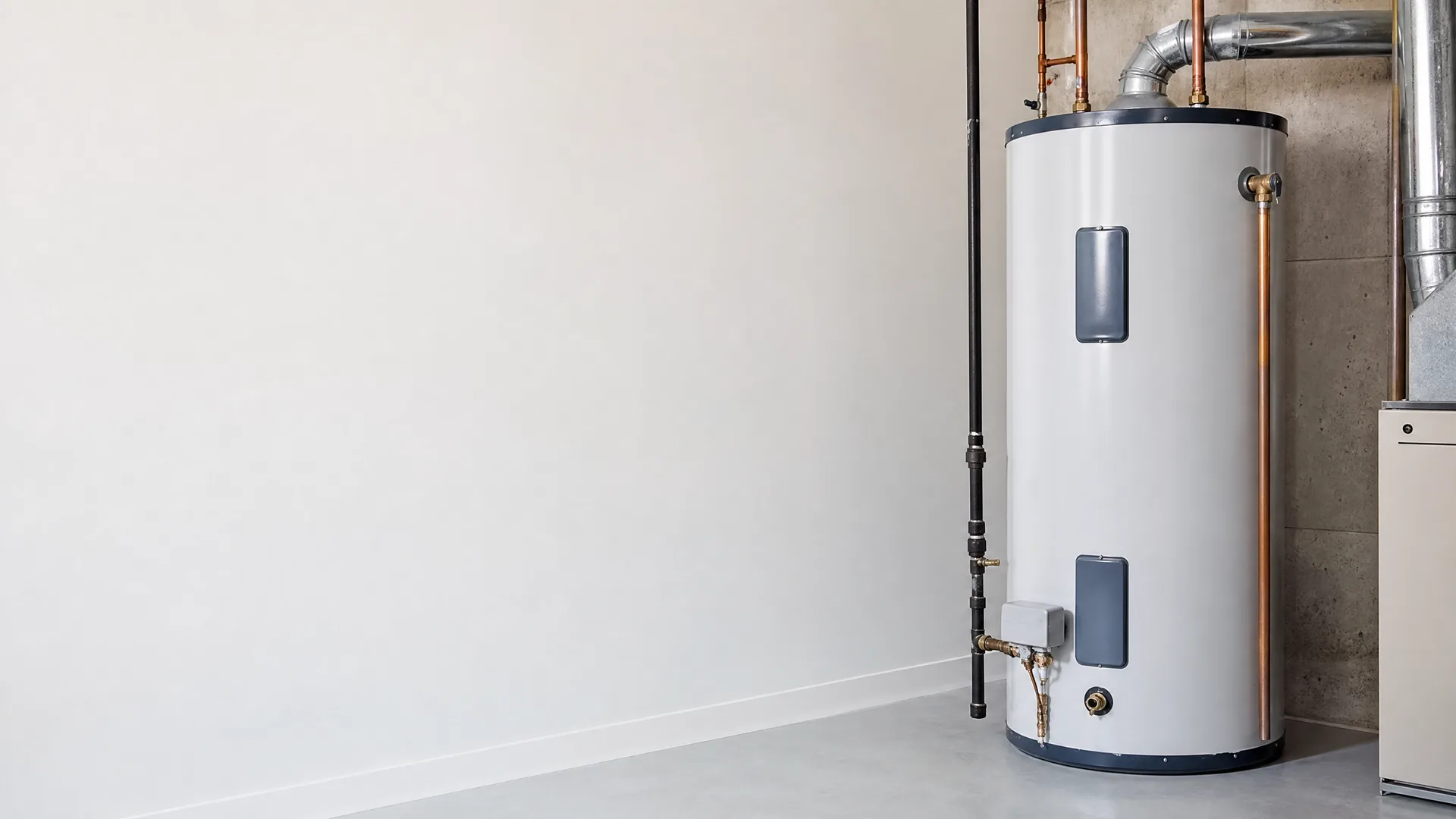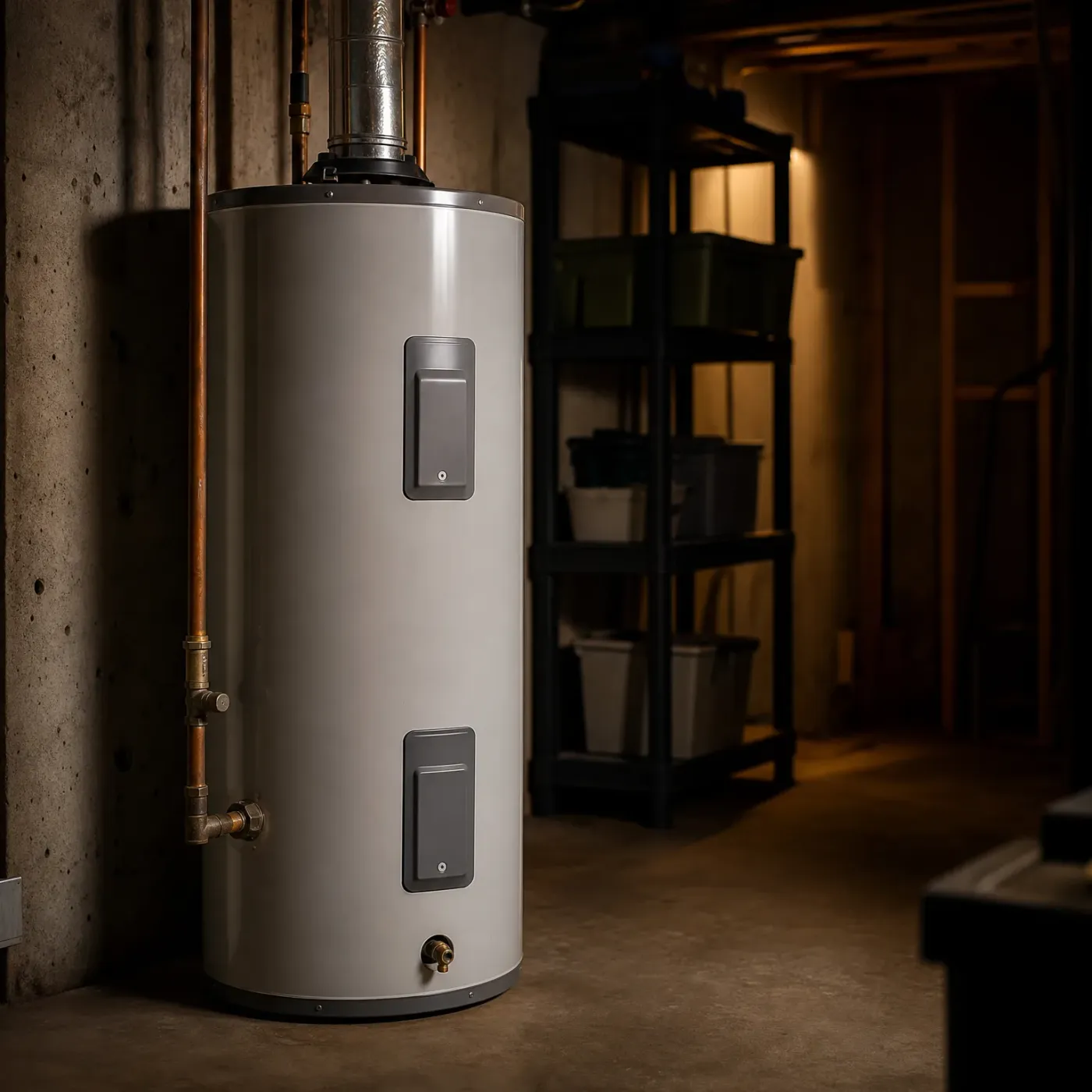
A tall cylindrical water heater with a metal flue pipe and copper plumbing stands against a concrete wall in a dim basement, with a black shelving unit holding plastic storage bins nearby.

Finding a pro stops being your job

Water heater pilot light keeps going out in Oklahoma

A pilot that won't stay lit usually means a worn thermocouple, a clogged orifice, or a draft problem in the flue, and it's rarely something to leave alone through an Oklahoma summer. This page walks through why it happens and what fixes it. When you're ready, send the form and you're done hunting down who can look at it.

Let a pro reach out

A pilot light that keeps dying is almost always the thermocouple. That's the small copper rod sitting in the flame. Once it wears out, it stops telling the gas valve the pilot is lit, and the valve shuts the gas off as a safety measure, even though the flame was fine seconds ago. Sometimes the cause is simpler: a dirty pilot orifice starving the flame, or wind pushing down the flue vent and blowing it out, which happens more with older water heaters vented through an outside wall. None of this is dangerous to live with for a day or two, but a water heater that won't hold a pilot is a water heater that won't make hot water, and in Oklahoma that's not something to put off through a humid summer when you want a working shower after working outside. A contractor can tell within a few minutes which of these it is, because testing a thermocouple takes a simple reading, not guesswork.

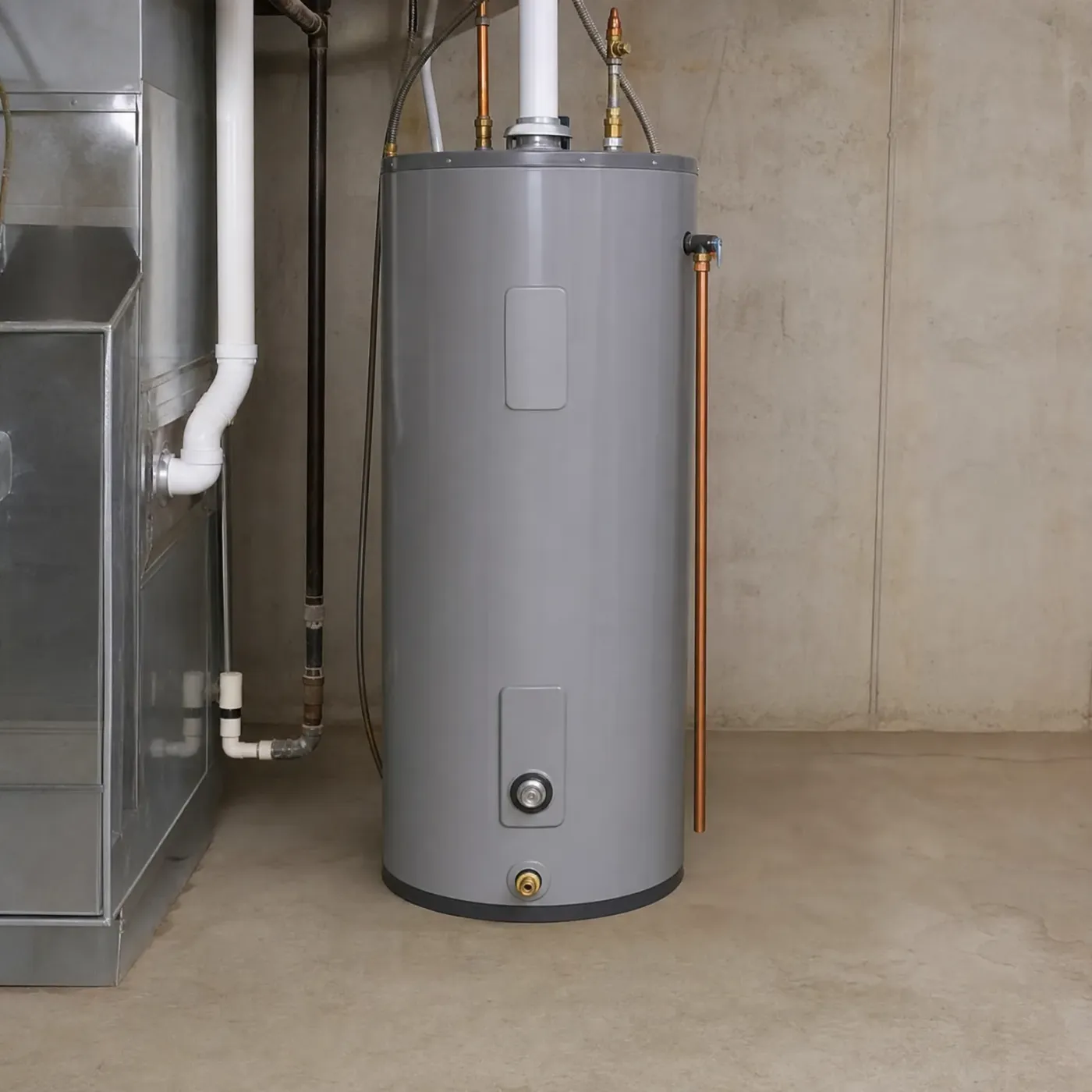
A gray cylindrical water heater stands on a concrete floor against a concrete wall, with copper and white pipes above it and a metal ductwork unit to the left.

Pilot lit and holding

This is what a working water heater looks like: steady pilot, no smell of gas, hot water on demand. The pressure-relief pipe and drain valve are there in case something goes wrong, but day to day they just sit there doing nothing, which is exactly what you want.
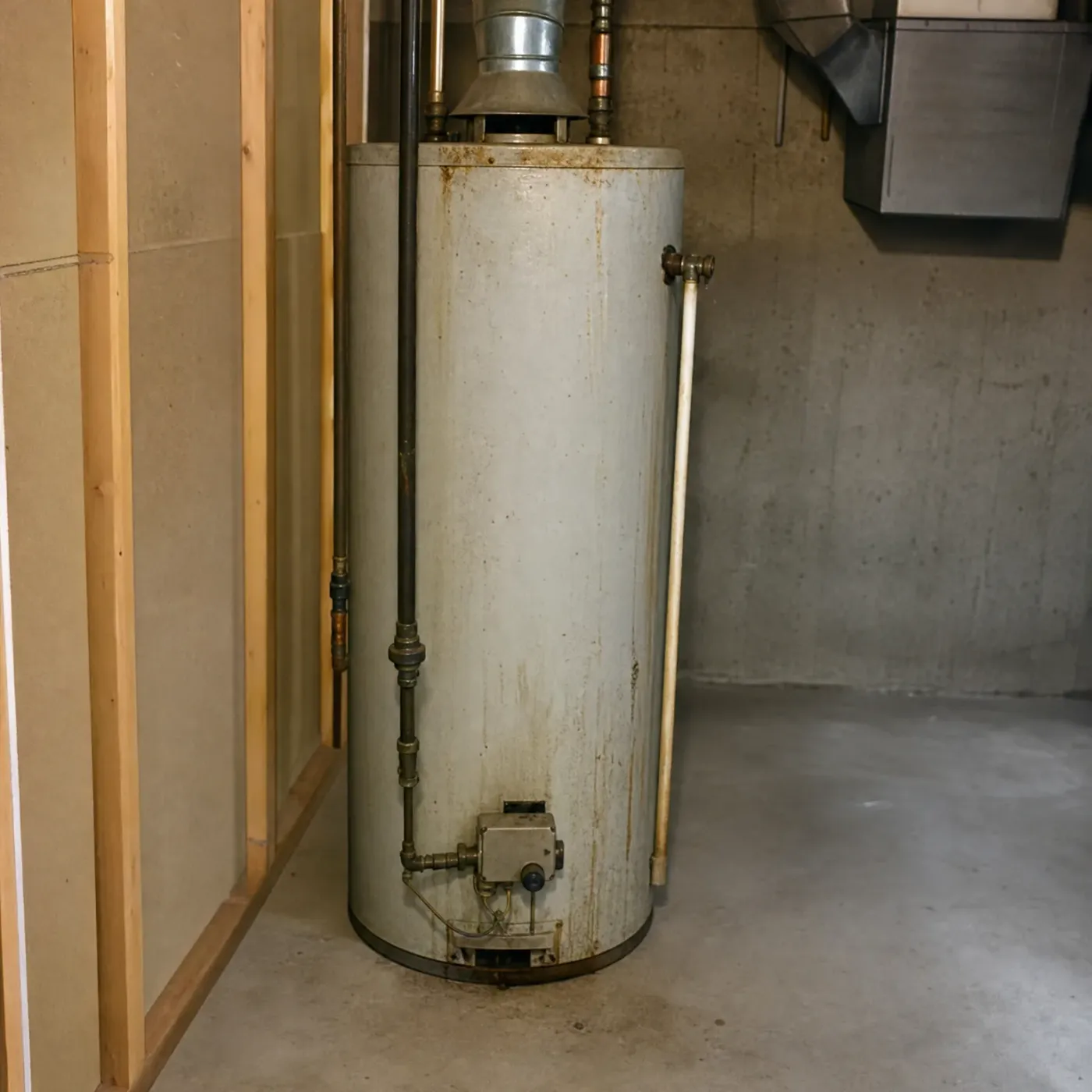
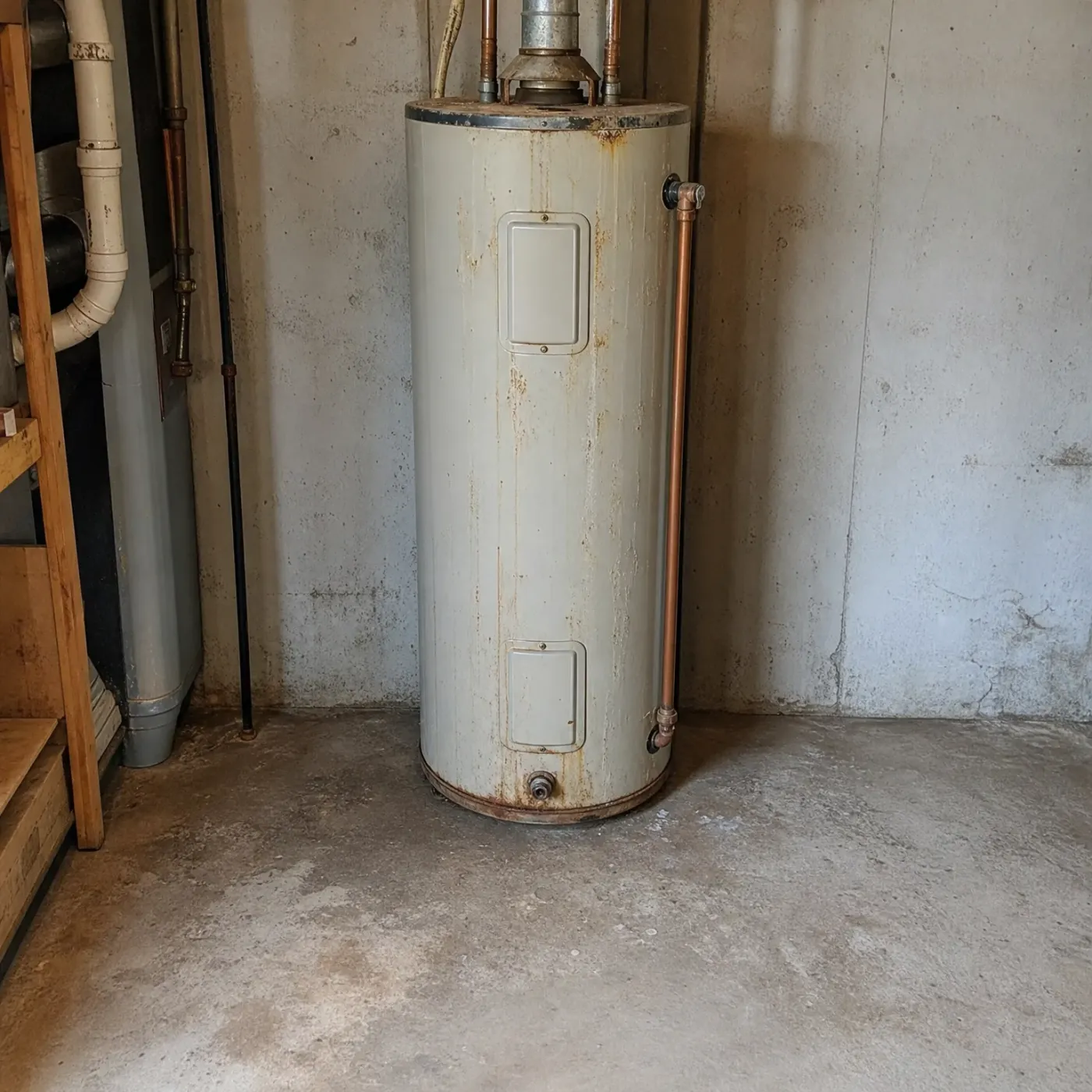
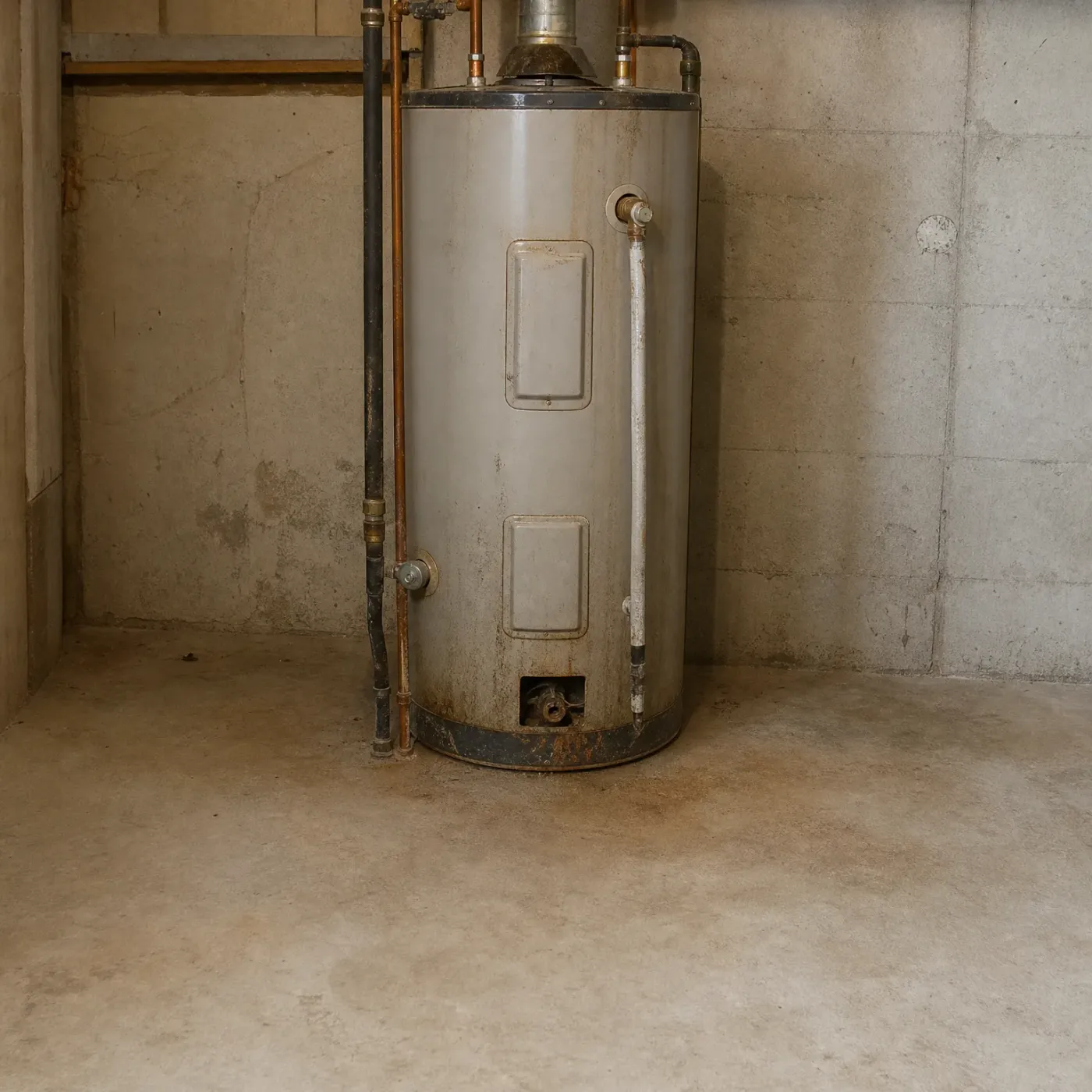
An old rusting gas water heater with flue pipe and connected plumbing stands on a concrete floor in a basement corner beside an unfinished wood-framed wall and a metal duct.

Pilot that won't stay lit

Rust like this on the tank or the gas valve assembly is worth noting, but the pilot problem itself usually isn't about the rust. It's the thermocouple, the orifice, or air coming down the flue vent at the top and blowing the flame out before it can heat the rod.

Why does your pilot light keep going out

You're checking the pilot every day now, maybe more than once, relighting it only to have it die a few hours later. Sometimes it goes out overnight and you find cold water in the morning. You might notice the flame looks weak or yellow instead of a steady blue, or catch a faint gas smell near the burner compartment when you kneel down to relight it. If nobody's home to catch it, a family can go a full day without hot water before anyone notices. Left alone, a failing thermocouple or a dirty orifice doesn't fix itself. It just goes out again, usually at a worse time than the last one.

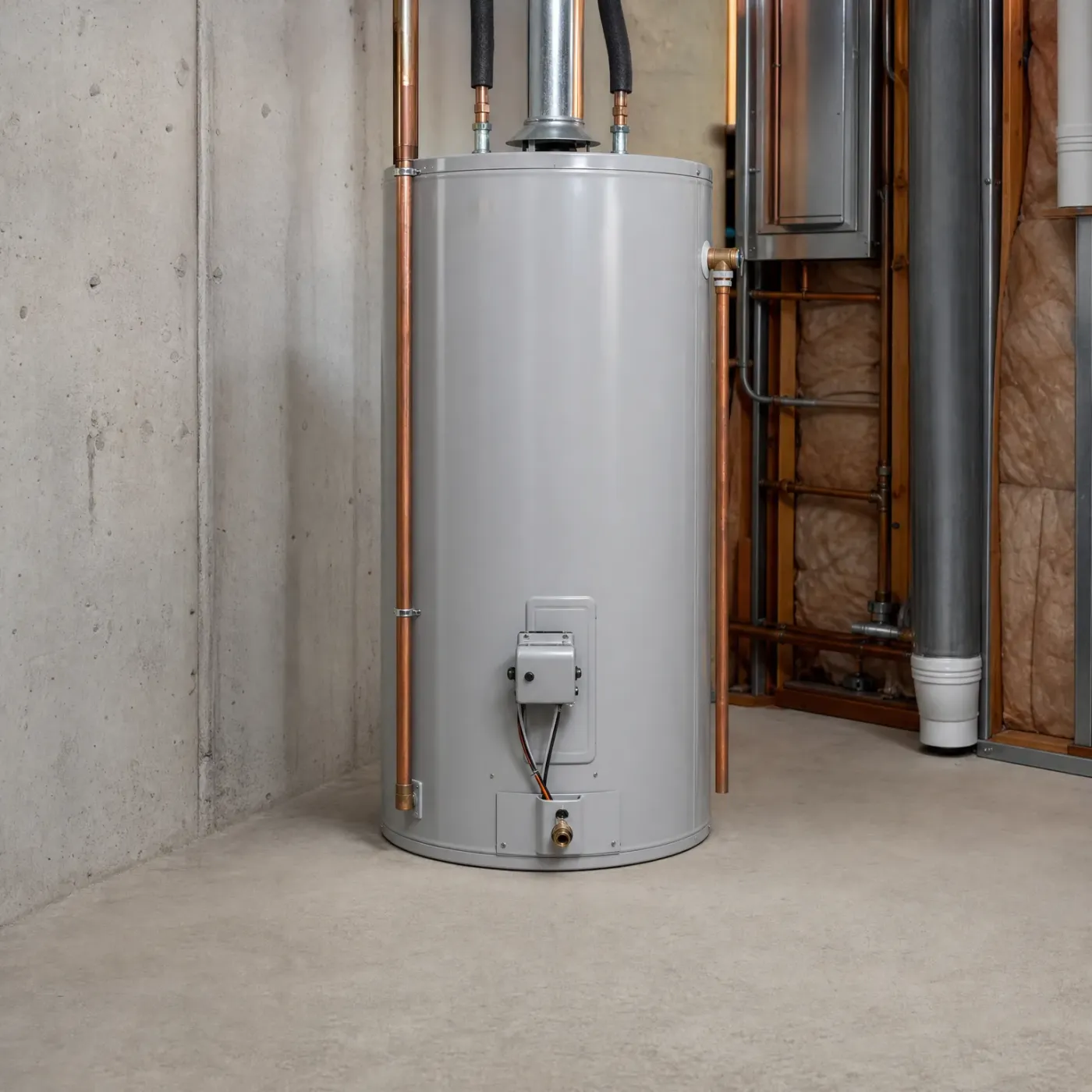
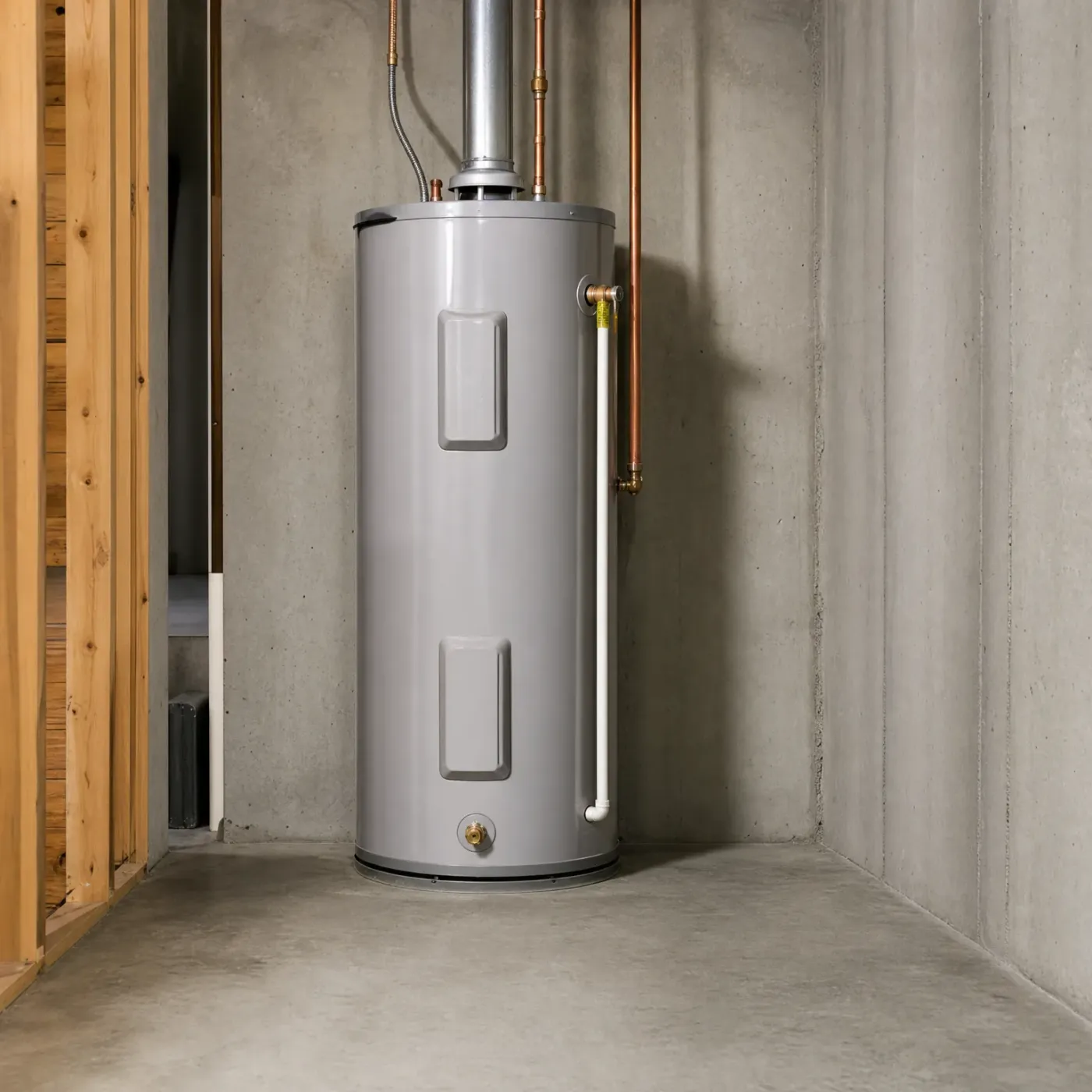
A gray cylindrical water heater standing in a concrete-walled basement corner, with copper and white pipes and a metal flue running up to the ceiling, next to exposed wood framing on the left.
A pilot that lights and stays lit, with a steady blue flame and hot water whenever you turn on the tap.
A rusted cream-colored water heater with copper piping and a flue stands in the corner of a concrete-walled basement next to wooden shelving and ductwork.
Rust and corrosion spreading across the tank, often right around the fittings where a bad thermocouple or gas leak does its damage.
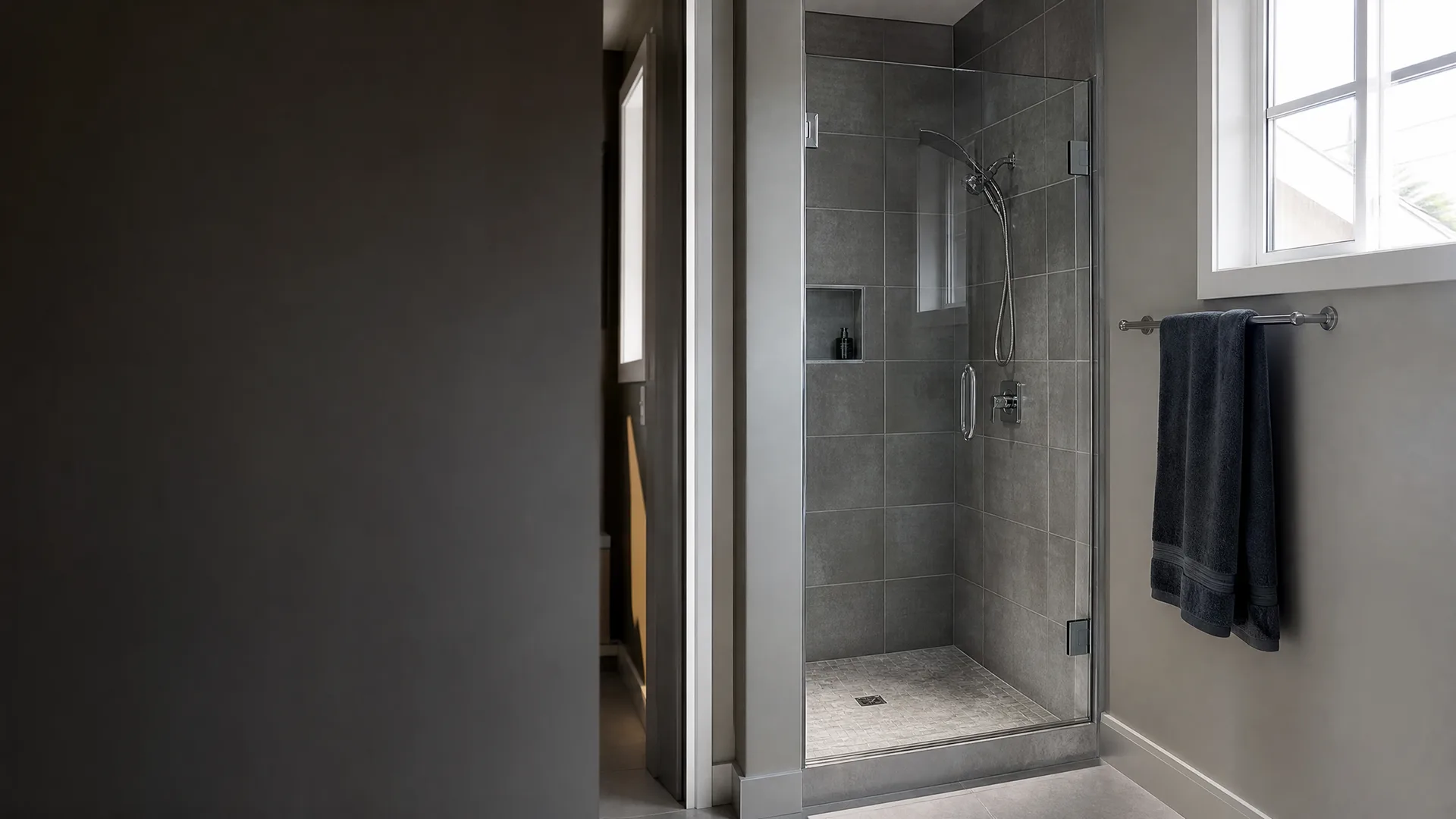
A bathroom corner with a gray tiled walk-in shower with a glass door, a recessed niche, and a dark towel hanging on a rail beneath a window.

You go down for a shower before work, same as every morning, and turn the handle expecting steam. Nothing but cold water hits your hand. The towel's already on the rail, laid out the night before. You head to the basement and crack open the panel. No flame. You relight it, wait, watch it catch, and head back upstairs hoping it holds this time. It's only Tuesday and this is the third morning this has happened. By the time you're toweling off with water that never warmed up, you've stopped believing it'll fix itself.

Let someone else find the pro

Describe what your water heater is doing once, in one form.

Asking costs nothing, and the choice to hire stays yours.

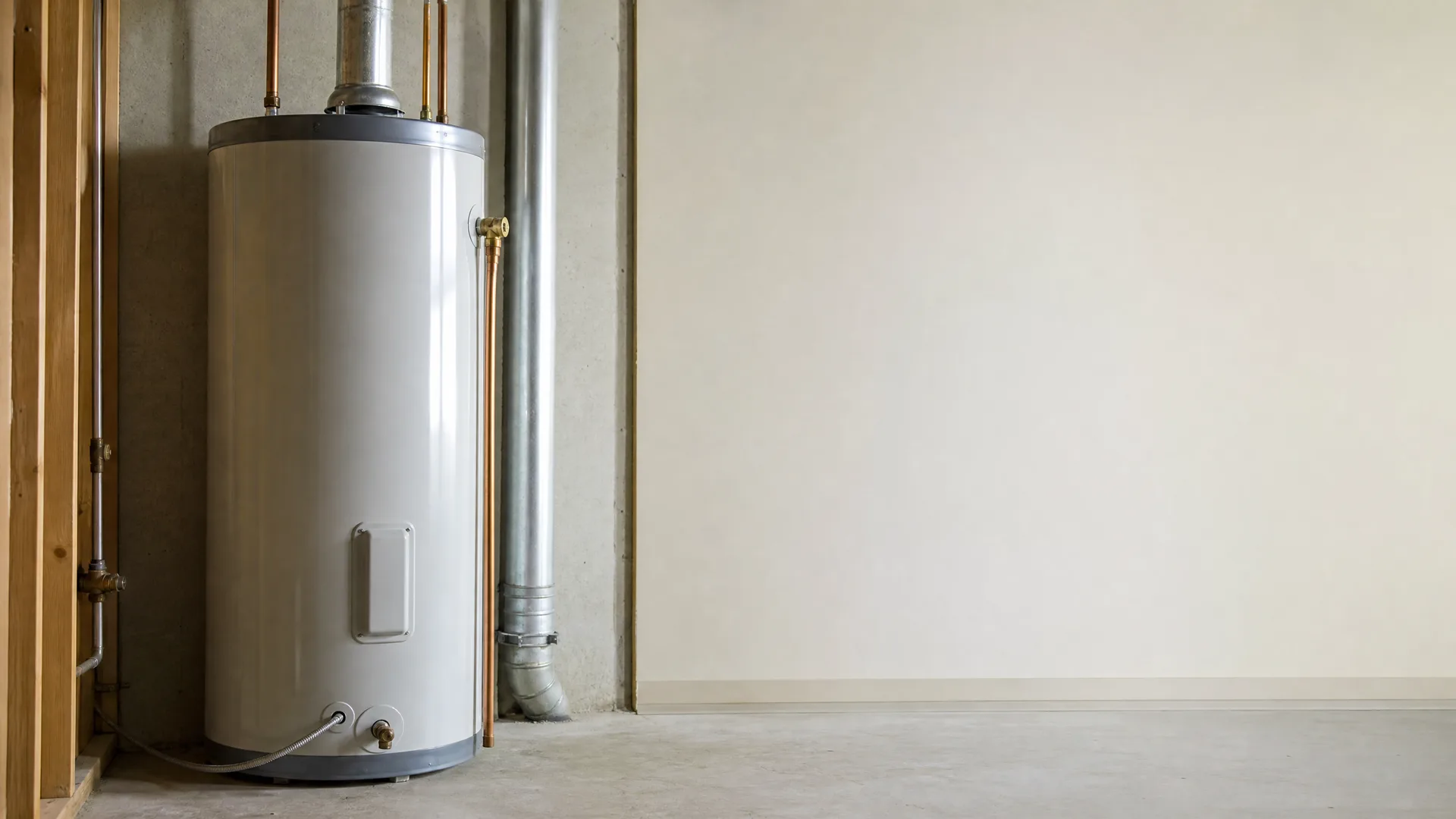
A white cylindrical water heater with copper pipes and a metal flue stands in the corner of an empty room with bare concrete floor, wood framing at left, and a plain light-colored wall.

What the thermocouple actually does

The thermocouple sits in the pilot flame and generates a small electric current when it's hot. That current holds the gas valve open. It has one job, and once the tip corrodes or the rod weakens, it cools faster than it should and the valve reads that as the pilot being out, even while it's still burning. A thermocouple is a cheap part, but the gas valve it protects is not, and the valve is doing exactly what it's built to do.

A white cylindrical water heater with copper and black pipes stands against a plain white wall on a gray floor, beside a concrete wall and metal ductwork.

Why the orifice and the flue matter too

A clogged orifice starves the pilot of gas, so the flame burns small and weak and loses contact with the thermocouple tip. A flue or draft problem pulls the flame sideways instead of letting it sit still against the rod. Either one can make a good thermocouple read as bad. That's why a repair sometimes replaces more than the one part, and why the same symptom in two homes can have two different causes.

Relight It or Call for Repair

Fix it yourself

  • Relighting the pilot takes a few minutes and costs nothing, and the instructions are printed right on the tank.
  • If the pilot catches and holds, you've bought yourself time, at least until it goes out again.
  • You won't know if the orifice is clogged or the flue is drafting wrong without opening the burner compartment.
  • A thermocouple that's failing will keep doing this no matter how many times you relight it.
  • Working on the gas valve or burner assembly yourself risks a gas smell that isn't a quick fix.
  • Each time it goes out, you're back to cold water until someone catches it and relights it again.

Get it repaired

  • A contractor can test the thermocouple's output with a meter instead of guessing from how the flame looks.
  • Clearing a clogged orifice or correcting a draft problem takes tools and access most homeowners don't have on hand.
  • Once it's diagnosed, the part gets replaced and the water heater stops being something you have to check on.
  • Sending the form means you're done calling around or explaining the problem more than once.
  • If the cause turns out to be a gas valve instead of the thermocouple, a contractor catches that on the first visit.
  • You stop losing hot water mornings to a pilot that won't hold.
A smiling man in a navy long-sleeve shirt sits at a wooden table in a kitchen and dining area, with a ceramic mug, a potted plant, and a sliding glass door behind him.
A smiling bearded man in a green henley shirt stands at a kitchen island with a gray mug, looking off to the side, with a dining area and shelves blurred behind him.
A smiling bearded man in a navy sweater sits at a white kitchen island with a ceramic mug, with open shelves, potted plants and a range hood behind him.
A smiling man in a dark olive long-sleeve shirt sits in a kitchen beside a counter with a dark mug, with a dining table, sideboard and hallway visible in the blurred background.

49.7% of homes statewide heat with gas

Close to half the homes in Oklahoma run on gas, same as yours, so a repair tech who shows up at your door has likely seen this exact thermocouple problem a dozen times that week. This isn't a rare call.

ACS 2020-2024 5-year B25040

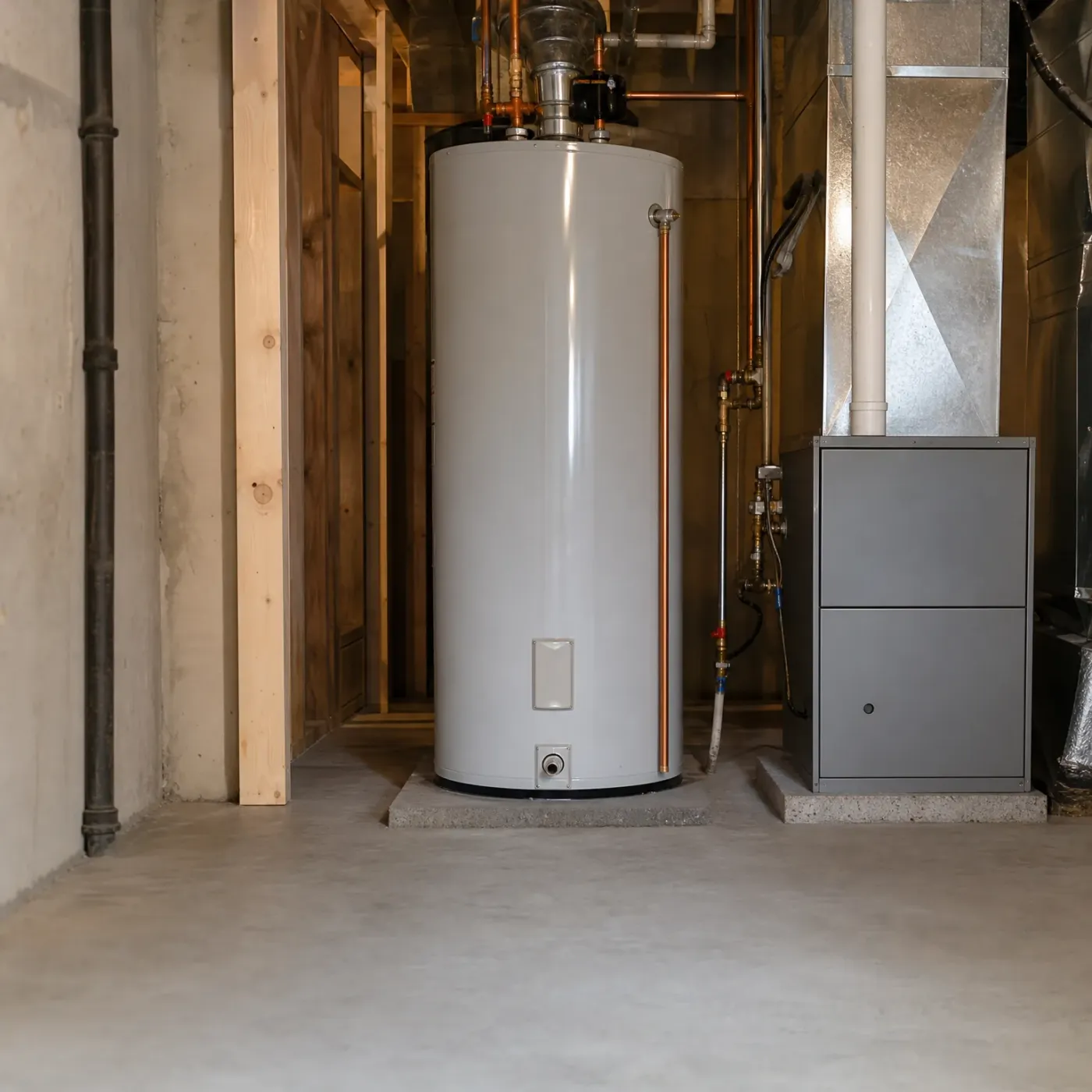
A white cylindrical water heater on a concrete pad in a basement, with copper and metal piping above it and a gray furnace cabinet with ductwork to the right.

Working the way it should

A gas water heater sitting next to the furnace, pilot lit, tank sound. Hot water comes up whenever you turn the tap. You're not thinking about the pilot because it's not giving you a reason to.

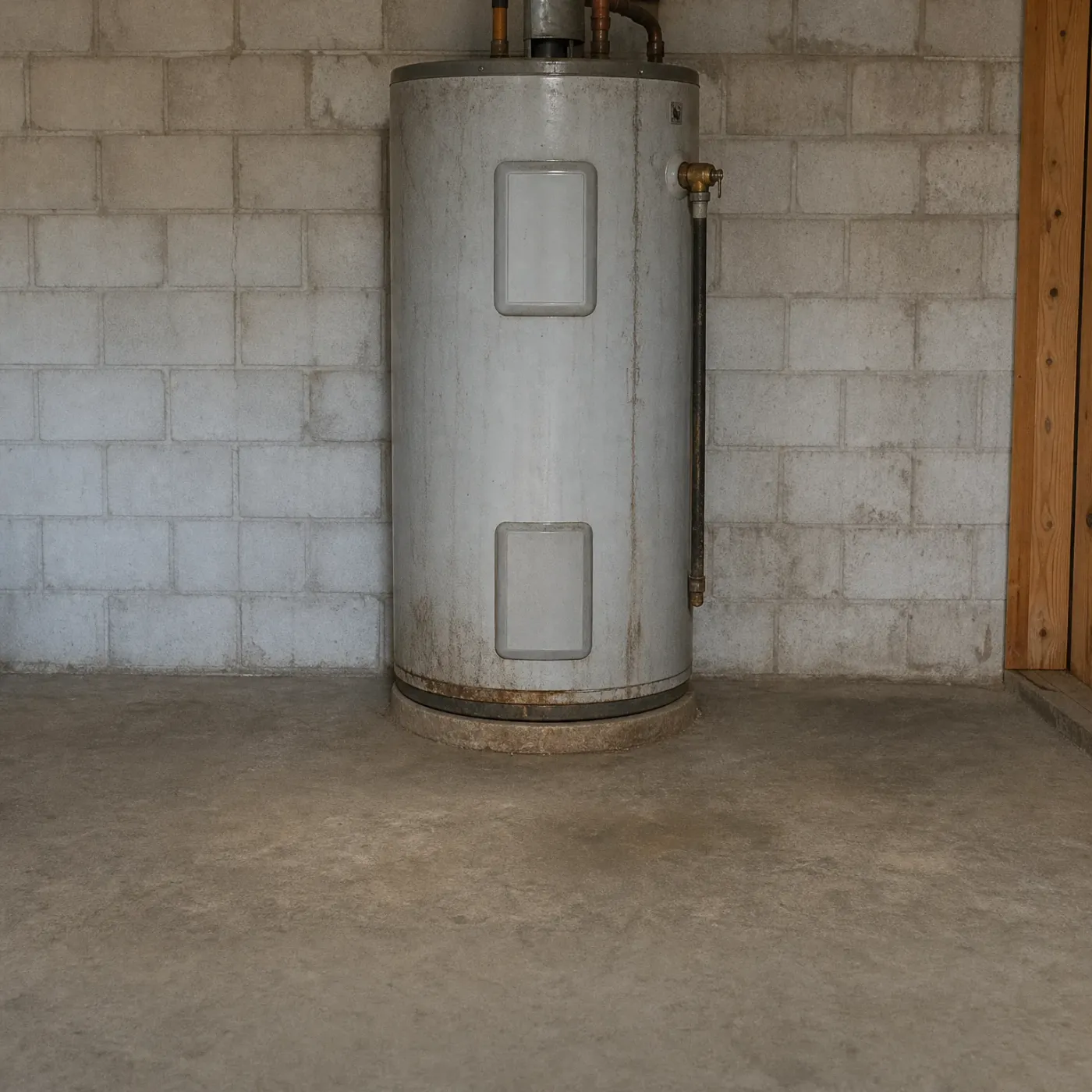
A cylindrical water heater with two access panels and copper pipes stands on a concrete floor against a painted concrete block wall.

What trouble looks like

Rust along the seams, access panels that have been opened too many times lately. A tank this age with a pilot that won't hold is telling you the thermocouple is likely done, not just dirty.

A rusting gas water heater with copper and steel pipes stands against a concrete block wall on a bare concrete floor.
Before you get your water heater repair
A gray cylindrical water heater stands in a basement corner against a concrete wall, with copper pipes, insulated flex lines, a metal flue, and insulated wall framing with ductwork to the right.
After you get your water heater repair
  1. Pilot flame heats the thermocouple tip sitting inside it

  2. Thermocouple generates a small voltage from that heat

  3. Voltage holds the gas valve's electromagnet open

  4. Worn or dirty tip cools and loses that voltage

A closed dark laptop and a ceramic mug of coffee on a wooden dining table, with wooden chairs, a dark kitchen cabinet with cutting boards and a potted plant, and a leafy plant by a window in the background.

A pilot that won't hold is a thermocouple problem, almost every time

Your water heater keeps going out because the thermocouple has worn down and can't hold the gas valve open anymore. Sometimes it's a clogged orifice or a flue pulling the flame around, but the thermocouple is where it starts most often. None of that goes away on its own, and relighting the pilot every morning only buys you a few more hours before it happens again.

You could spend the next few days calling around Oklahoma, asking who works on gas water heaters, explaining the cold showers and the dead pilot to three different shops before you find one that can come out this week. Send the form instead and that search becomes someone else's job. You'll have a licensed contractor lined up without having to repeat yourself to anyone else, and your water heater gets looked at by someone who already knows what a bad thermocouple looks like before they walk in the door.

Interior corner of a living room with a beige upholstered sofa and dark cushion in the foreground, a ceramic vase of leafy branches on a dark side table by a curtained window, a framed picture on the wall, and a wood-surround fireplace at right.
A man in a blue T-shirt sits on a light gray sofa, laughing while looking at an open laptop in the foreground, with a framed picture, lamp and potted plant behind him.
A bearded man in a blue and brown plaid flannel shirt stands indoors looking out a window at snow-covered trees, with a ceramic mug on the windowsill.

Water Heater Repair

One request and it's handed off

Fill out one short form instead of calling around.

A smartphone with a blank green screen stands upright against a plain light gray background.
Step 1 of 3: Equipment