Send one request and you're done looking
What temperature to set a water heater in Oklahoma
120 is the number most plumbers point to, though your gas water heater's own dial may read different. This page gets into what that setting means for your bill and your safety, and when it's worth having someone check the tank itself. Send the form and the work of tracking down a plumber is off your plate.
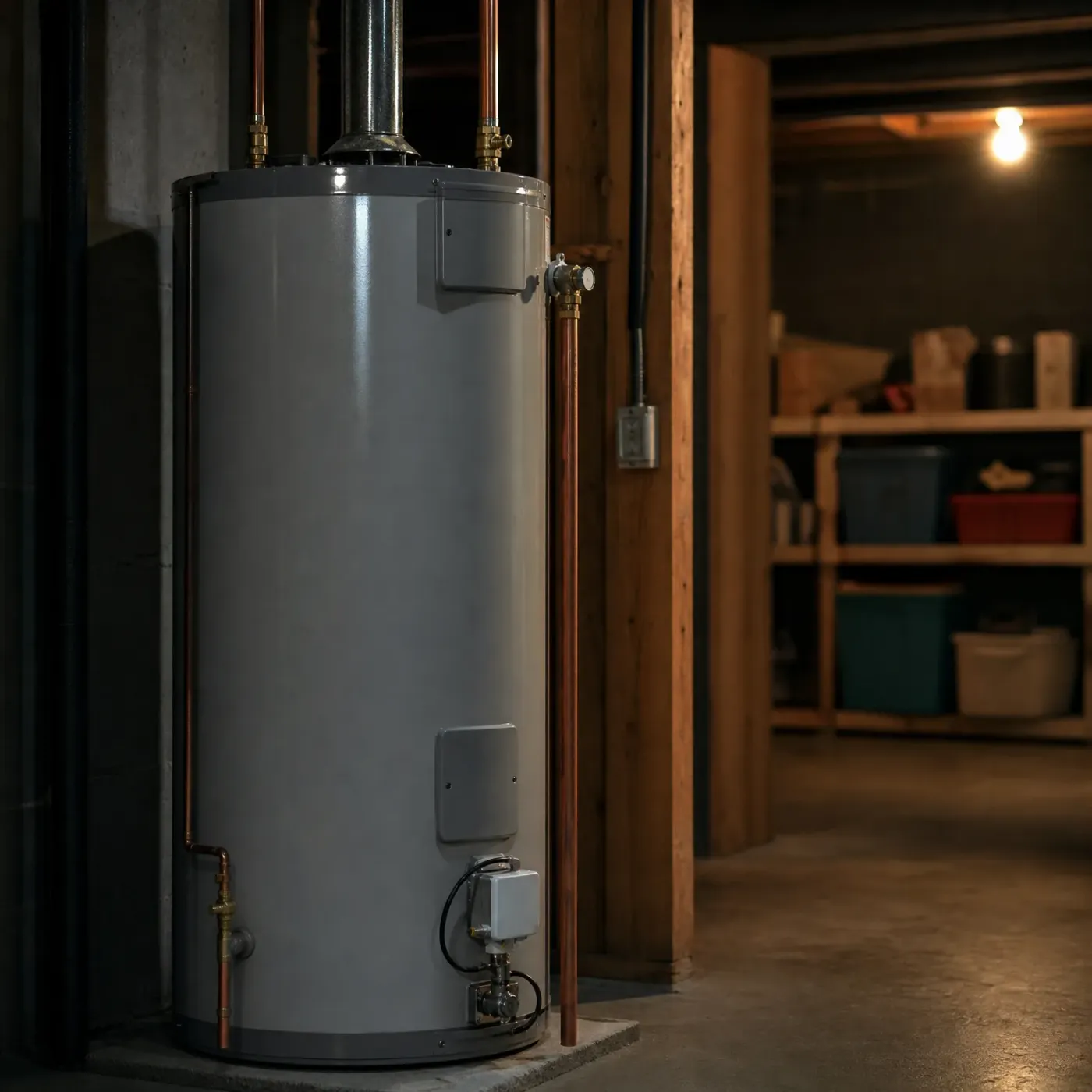
Hand it off120 degrees is the setting most plumbers recommend, and it works year round in Oklahoma. Any hotter and you're paying to heat water you'll just run cold water into anyway to bring it back down at the tap. Any cooler and the tank becomes a place where bacteria can grow, since water under 120 doesn't get hot enough to kill it off. Gas water heaters usually have a dial on the front with warm, hot, and very hot marked instead of numbers, so that dial doesn't always line up with 120 exactly. If yours is set toward the hot or very hot end, the water coming out of your tap may be closer to 140, which is hot enough to scald skin in seconds. A plumber can check the actual temperature at the tap and adjust the dial so it matches, and look at whether the tank itself is heating evenly or struggling to hold its setting.
49.7% of homes statewide heat with gas
If your water heater runs on gas, you're in the majority here, close to half the homes in the state. Gas recovers fast, so dialing the tank to 120 doesn't mean a wait for hot water back. Check the dial on the tank itself to see where it's actually set.
ACS 2020-2024 5-year B25040
Set it to 120 and never think about it again. Most homes land here, and the dial stays put until someone bumps it or the tank gets replaced.
Some households need 140, usually when someone in the house has a weakened immune system or there's a tankless mixing valve that calls for it. That's hotter water reaching the tap unless a mixing valve brings it back down first, so it's worth having the setup checked rather than guessed at.


What the dial actually controls
The thermostat on a gas water heater reads the temperature of the water sitting in the tank, not the temperature coming out of the tap. Turn it to 120 and the burner fires until the tank holds water at that mark, then shuts off until it drops again. That's the whole job. Where the dial sits doesn't change how fast the tank heats or how much hot water it holds, it just sets the ceiling. A tank left at 140 cycles the burner more often to hold that higher mark, which is where the extra gas use comes from. Checking the dial tells you what the tank is set to do, not what's happening at the faucet, since pipe length and any mixing valve change that last part.
Where the real risk sits
Water above 120 starts to scald skin in seconds, and that time drops fast as the temperature climbs. At 140, a burn can happen in under five seconds, which matters most for kids and older adults in the house who can't pull back from hot water as quickly. This is separate from the bacteria risk that pushes some households the other way, toward keeping the tank higher. A gas water heater set to 120 covers the usual case. If someone in the house needs it higher for a medical reason, a licensed plumber can add a mixing valve at the tank so the water cools before it reaches the tap, keeping the tank itself at a temperature that kills bacteria.




Finding a pro stops being your job
A dial set wrong doesn't announce itself. It just sits there, either wasting gas every day or letting the tank run cooler than it should, and most people never think to check until the water comes out lukewarm or the bill looks off. You could pull the panel off the tank yourself, find the thermostat, and guess at what the mark means, but a plumber who's been inside hundreds of these tanks in Oklahoma homes reads it in a glance and knows whether yours is holding that setting the way it should. That's the part worth handing off. Not the number, you have that now, but the checking: whether the burner is actually recovering to 120 or drifting, whether the tank itself is the reason. Send the form and stop being the one who has to track down a plumber, explain the dial twice, and sort through who'll actually show up. That part's off your plate now.
120 is the number
120 degrees. That's where the dial belongs on most gas water heaters in Oklahoma, summer or winter. Higher costs you more gas for water you'll just cut with cold at the tap. Lower and the tank isn't hot enough to stay clean inside. 140 only makes sense for specific reasons, like a tankless mix valve or someone in the house with a weakened immune system.
Checking the dial yourself takes a minute. Having someone confirm the tank is holding that setting, and not just reading it on a sticker, takes more than most people want to spend chasing down a plumber, sitting on hold, or explaining the same thing to three different companies before picking one. Send the form once and that search is off your plate.


Water Heater Maintenance
Let someone else find the pro
- Describe your water heater job, and a local pro who handles it gets in touch.
- Say what's going on with your water heater, and a pro who works on them reaches out.
- Send the form, and lining up the water heater tune-up stops being yours to chase.
- Send the request and finding a pro stops being your problem.

- Fill out one form instead of calling around for a water heater tune-up.
- Fill out one short form instead of calling around.

- Your request goes to one pro, not a list of companies.
- The pro who reaches out is licensed in Oklahoma.