

Why your hot water is lukewarm in Oklahoma
Send the request today and stop worrying about who to call.
Send it todayLukewarm water in most Oklahoma homes points to the gas burner, not the tank itself, since gas is how most houses here heat water. A dirty or failing igniter won't light the burner fully, so the tank only half-heats between draws. A thermocouple or flame sensor going bad can cut the burner short the same way, telling the gas valve to shut off before the water gets hot. Sediment sitting at the bottom of the tank is another cause: it builds a layer between the burner and the water above it, so the flame is heating sediment instead of water. If the tank is set to serve a house full of showers back to back in sticky summer weather, it may just be running out of hot water faster than it can recover. Any of these is a repair, not a reason to replace the tank outright.
What the igniter actually does
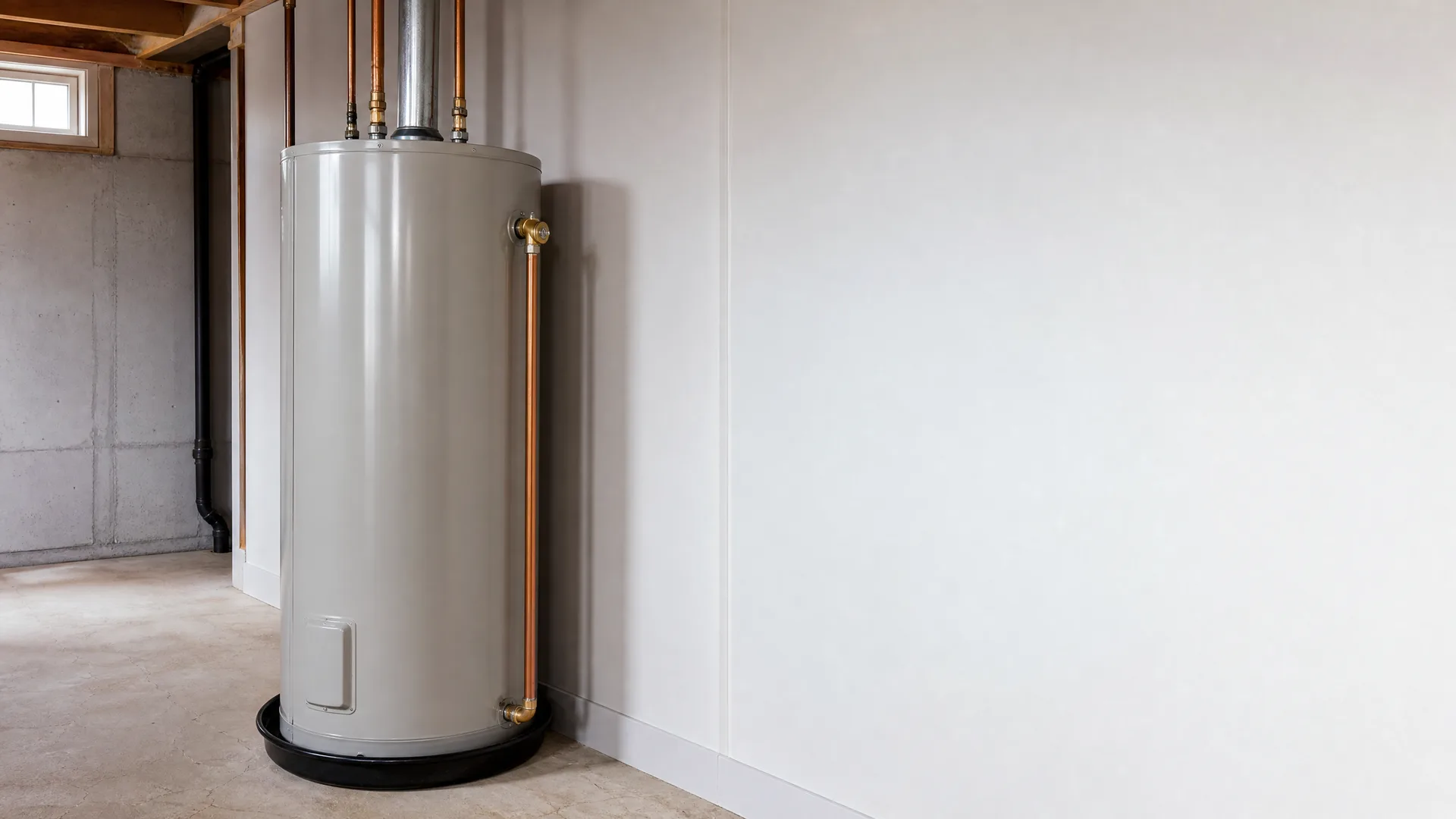
The igniter has one job: light the gas so the burner can heat the tank. When it's coated with soot or starting to fail, it sparks weak or not at all, and the burner lights late or only partway. That means less heat going into the water between draws, which is why a shower can start warm and turn lukewarm halfway through. A contractor can test the igniter in minutes and tell you if it's the cause.
Why the thermocouple matters too
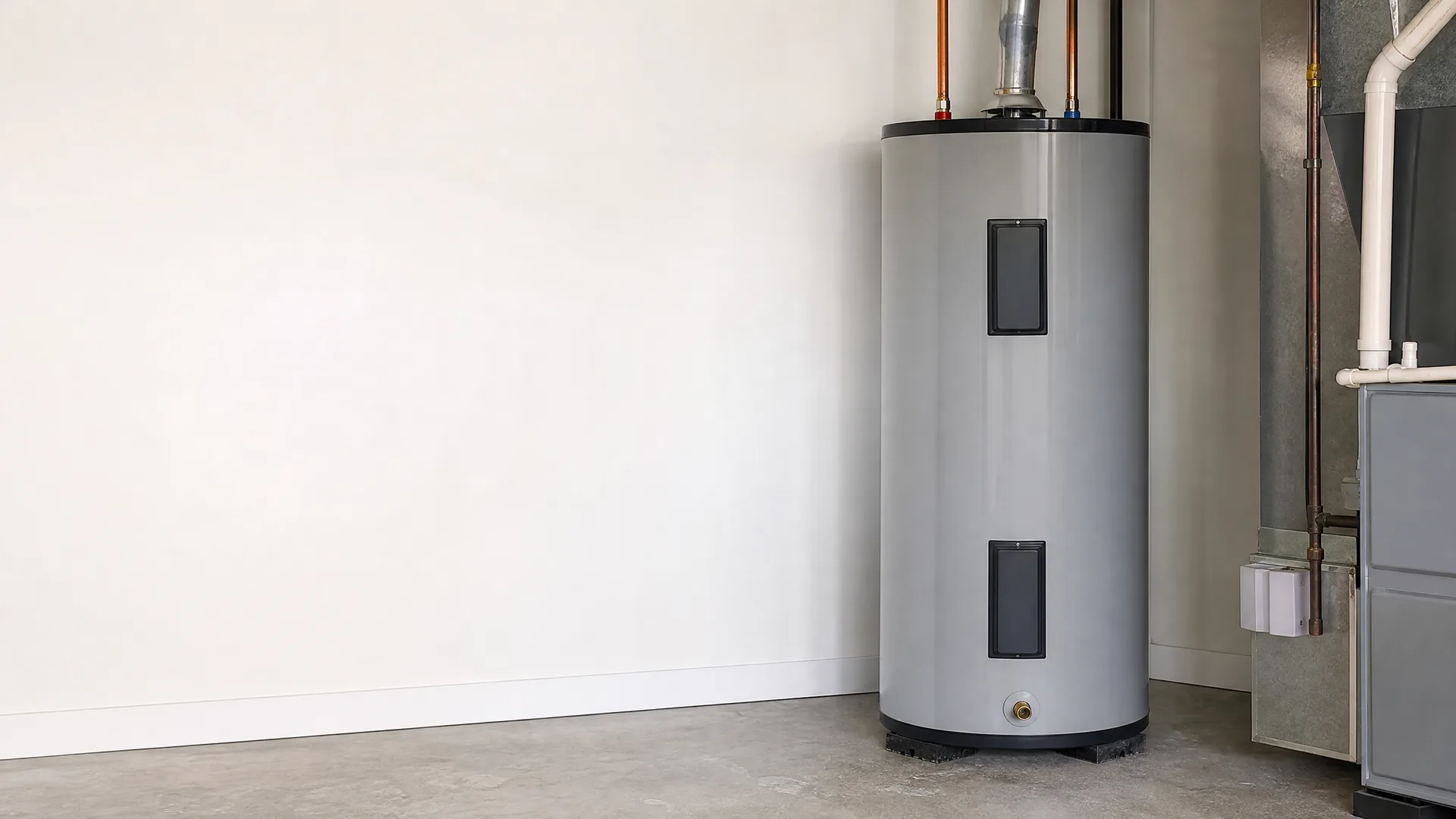
On many gas water heaters, a thermocouple or flame sensor reads whether the pilot or burner flame is actually lit. If that sensor is dirty or wearing out, it can shut the gas valve early or let the burner cycle off sooner than it should. The tank never gets the full run time it needs to heat a full load of water, so what comes out of the tap falls short, especially after the first few minutes.
Why does my water heater run out of hot water halfway through a shower?
You start your shower hot and by the time you're rinsing shampoo out, it's gone lukewarm or cold. It happens at roughly the same point every time, not randomly, which makes you think the tank just isn't holding enough hot water anymore. You want to know if that means the tank is wearing out or if something smaller is going on.
The burner isn't heating the full tank, just the top part
When the igniter is weak, the burner lights late or doesn't light fully. Heat only makes it partway up the tank instead of warming all of it. You get a few minutes of hot water from the top, then the cooler water underneath reaches the tap and the shower turns cold. This is different from a tank that's simply too small for the household, because the drop-off happens at the same point in the shower every time rather than varying with how much hot water everyone else already used that day. A failing igniter is a repair, not a reason to replace the tank, and it's worth having checked before the burner stops lighting altogether and you lose hot water completely.
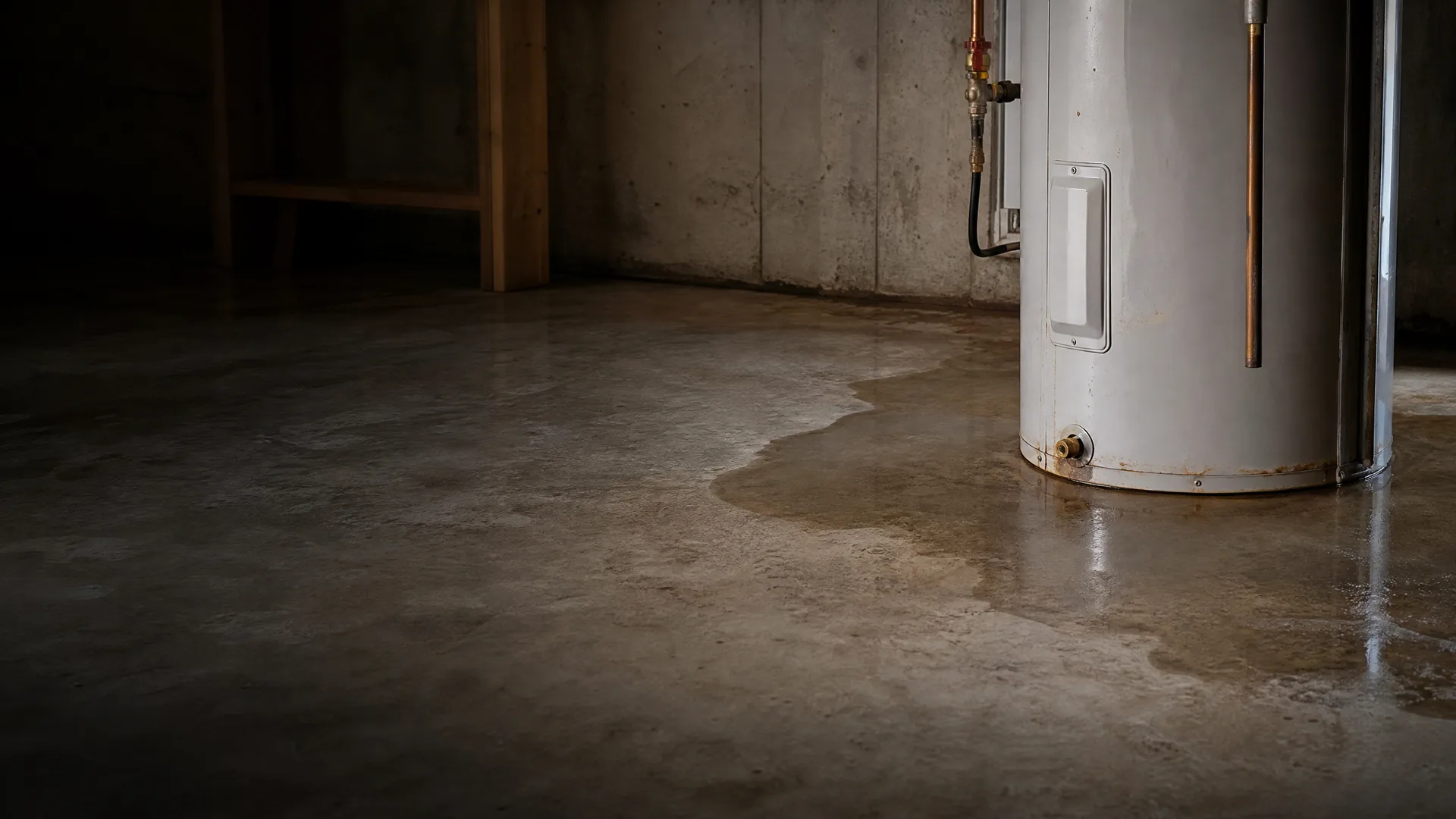
Saturday morning, and you head down to the basement to grab something off the shelf. The concrete floor is wet before you even see the tank. A thin ring of water has spread out around its base, soaking into a cardboard box you'd left too close. The gas burner underneath is out. You crouch down and feel the floor, cold and damp, and the smell of water sitting on concrete fills the room. Upstairs, the shower you ran twenty minutes ago never got past lukewarm. You stand there a second, figuring out where the water's actually coming from before you touch anything.
Hand off the search today
A lukewarm shower that keeps happening isn't something to keep working around. The burner, the igniter, the thermocouple, whatever's behind it, it's a gas problem, and that's not something to guess at with the water running. A local contractor who works on gas water heaters all year in Oklahoma has seen this exact complaint plenty of times and knows where to look first. Send the request and it goes to one contractor, not a handful fighting for the job, so you're not sorting through calls trying to figure out who to trust with it. That part stops being yours to manage. You still need hot water tomorrow morning, and the burner isn't going to fix itself between now and then. Getting someone looking at it sooner means fewer cold mornings standing in the shower waiting for heat that isn't coming.
Call for repair now
If your water comes out lukewarm no matter how long you run it, or it swings hot and cold in the same shower, that's a gas burner that's not lighting right or not staying lit. It's worth having someone look at it before it quits altogether and you're stuck with a cold tank. A thermocouple or igniter that's starting to fail usually gets worse over a few weeks, not better, and catching it while the burner still lights at all is easier than waiting until it doesn't. If you've got small kids or anyone who showers early before work, a repair now means you're not guessing every morning whether there's enough hot water to get through it.
Wait and see if it clears up
Some lukewarm water has nothing to do with the burner. If the weather's been unusually cold for Oklahoma or you've had more people in the house than usual, your fifty gallon tank might just be running through hot water faster than the burner can recover between uses. Spacing out showers by twenty or thirty minutes instead of back to back will tell you a lot. If the water comes back fully hot once things settle down, the tank's doing its job and you don't need a repair. But if it stays lukewarm even with normal use, that's not a demand problem, and waiting longer just means living with cold showers while the actual cause sits there unfixed.
49.7% of homes statewide heat with gas
Close to half the houses in Oklahoma run on gas heat, and if yours is one of them, that same gas line almost certainly feeds your water heater too. So when the water runs lukewarm, you're looking at a burner or igniter problem far more often than a bad heating element.
ACS 2020-2024 5-year B25040
Lukewarm Water, Traced Back
- Lukewarm water in a gas-heated Oklahoma home usually traces back to the burner or igniter, not the tank.
- A weak or dirty igniter lights the burner late or only partway, so the tank never fully heats.
- Running out of hot water at the same point in every shower points to a gas problem, not random luck.
- Water pooling around the tank's base is a separate issue, but it means the burner needs attention soon.
- Waiting it out tends to end with no hot water at all, not with the problem fixing itself.
- A local contractor who works on gas water heaters regularly can tell igniter, thermocouple and burner issues apart quickly.
Gas heats most homes in Oklahoma, and that same line runs your water heater, so a burner that won't light all the way is the most common reason the water never gets properly hot. The igniter is usually where it starts. Once it's weak or coated with soot, it sparks late or not at all, and the burner only half fires between draws. That's why a shower runs hot at first and fades at the same point every time, not at random. It's a pattern worth paying attention to, because that kind of problem doesn't go away on its own. Left alone, a struggling igniter or a failing thermocouple tends to get worse until the burner stops lighting at all, and then there's no hot water rather than lukewarm. If you've also noticed water at the base of the tank, that's a different problem, but it's another sign the unit needs a look soon rather than later. None of this is something to diagnose by guesswork with the water running. A contractor who handles gas water heaters regularly can tell in a few minutes whether it's the igniter, the thermocouple, or the burner itself acting up, since each one fails a little differently and shows itself in how the water behaves. Catching it at the igniter stage is a smaller fix than waiting until the burner won't light at all.




Water Heater Repair
Hand off the water heater problem
The pro who reaches out is licensed in Oklahoma.