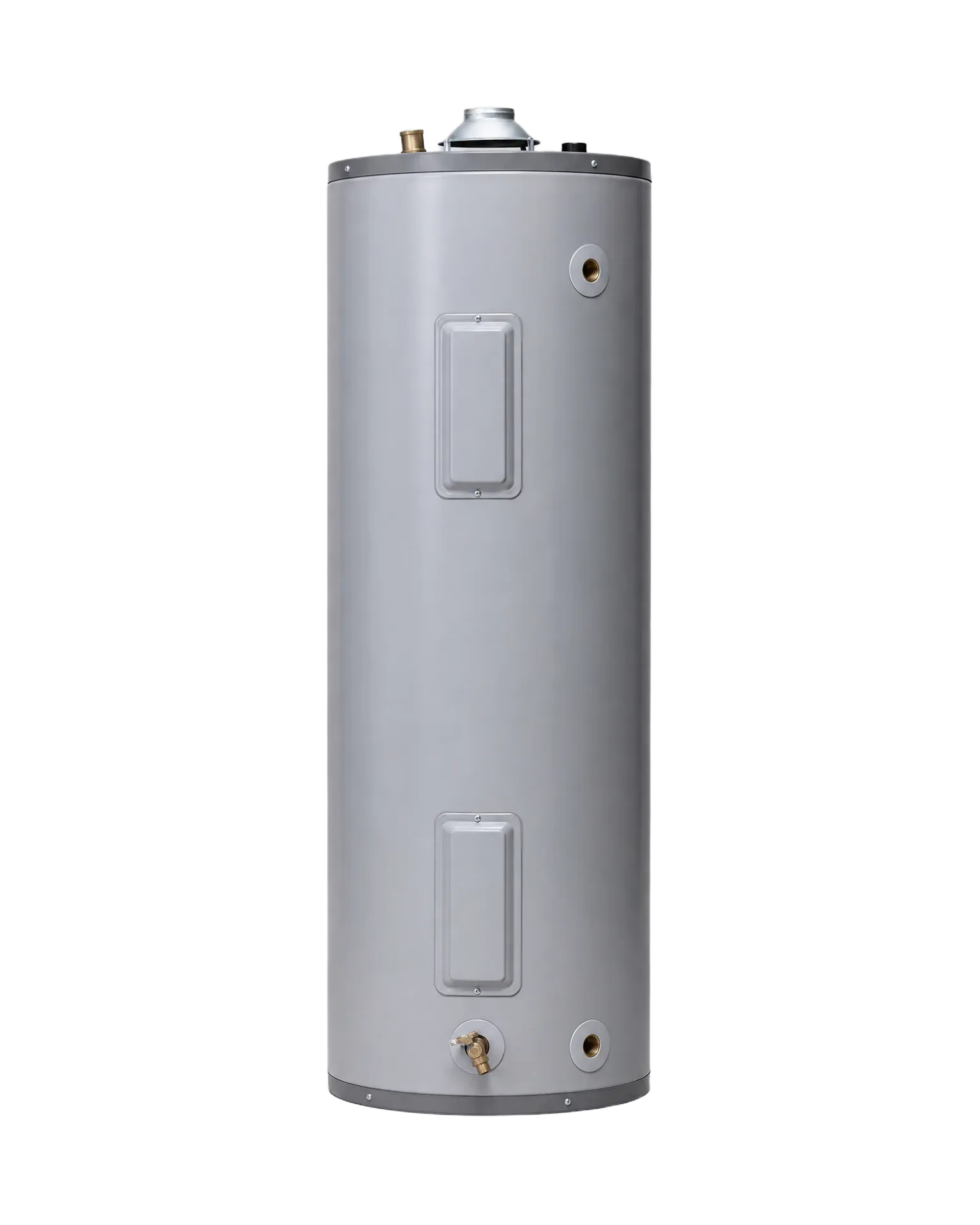
Why is my water heater leaking?
A puddle under the tank or water dripping from a fitting gets attention fast, especially with the house full of people counting on hot water. Most leaks come from one of a few places, and which one it is changes whether a repair fixes it or whether the tank itself is done.
It's a fitting, a valve, or the tank itself
A loose connection at the cold water inlet or the hot water outlet is often the cause, and that's a straightforward fix. The temperature and pressure relief valve lets water out when pressure inside builds too high, so water there is doing its job, but it can also mean the valve has failed and needs replacing. The drain valve near the bottom can weep if it was never fully closed or if the washer inside wore out. If the leak is coming from the tank wall itself, rust has worked through the metal from the inside, and that tank needs to be replaced, not repaired. Gas water heaters are common in Oklahoma homes, and the burner compartment at the bottom makes a leak from the tank itself easy to spot early.
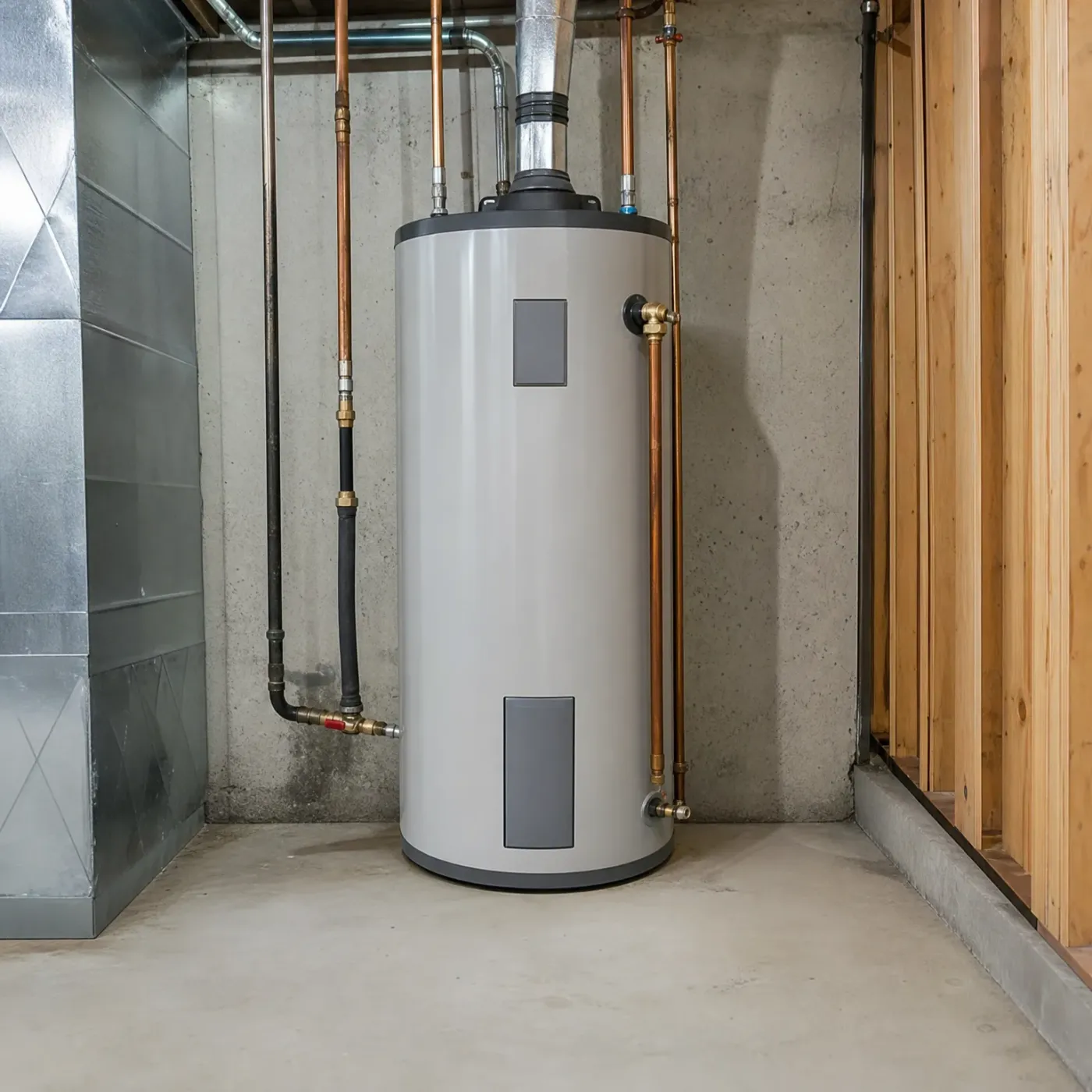
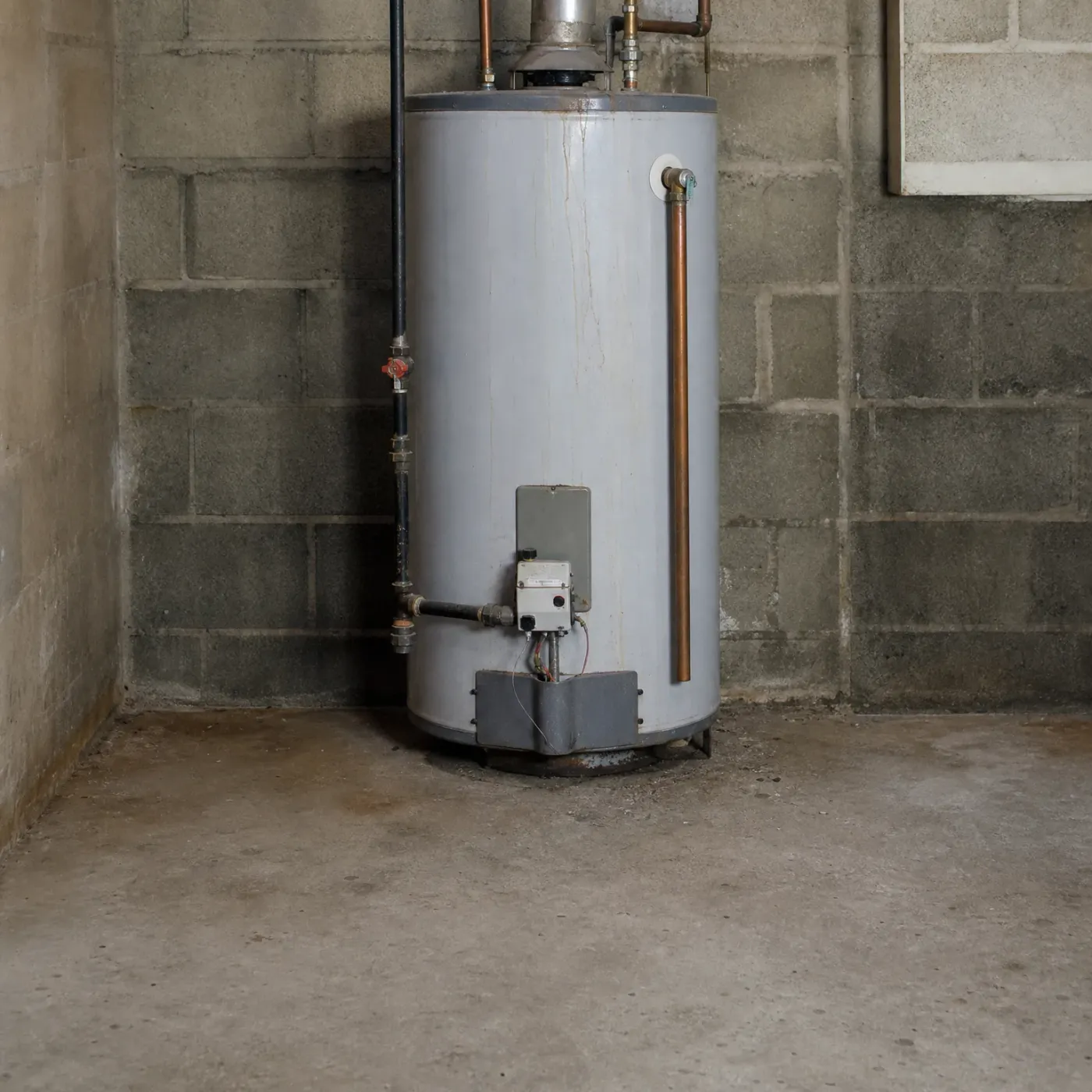
How Your Water Heater Actually Fails
- Water enters the top of the tank through a dip tube and sits in the glass-lined steel tank until the burner heats it.
- The anode rod hangs inside the tank and corrodes on purpose so the steel around it doesn't.
- Once that rod is used up, the tank itself starts rusting from the inside out, and that's what causes a pinhole leak.
- The temperature and pressure relief valve on the side is built to open and drip if pressure inside climbs too high.
- A leak at a fitting or union means a washer or connection failed, not the tank, and that part alone can be replaced.
- Sediment settles at the bottom of the tank over years and can trap heat against the steel until it cracks.
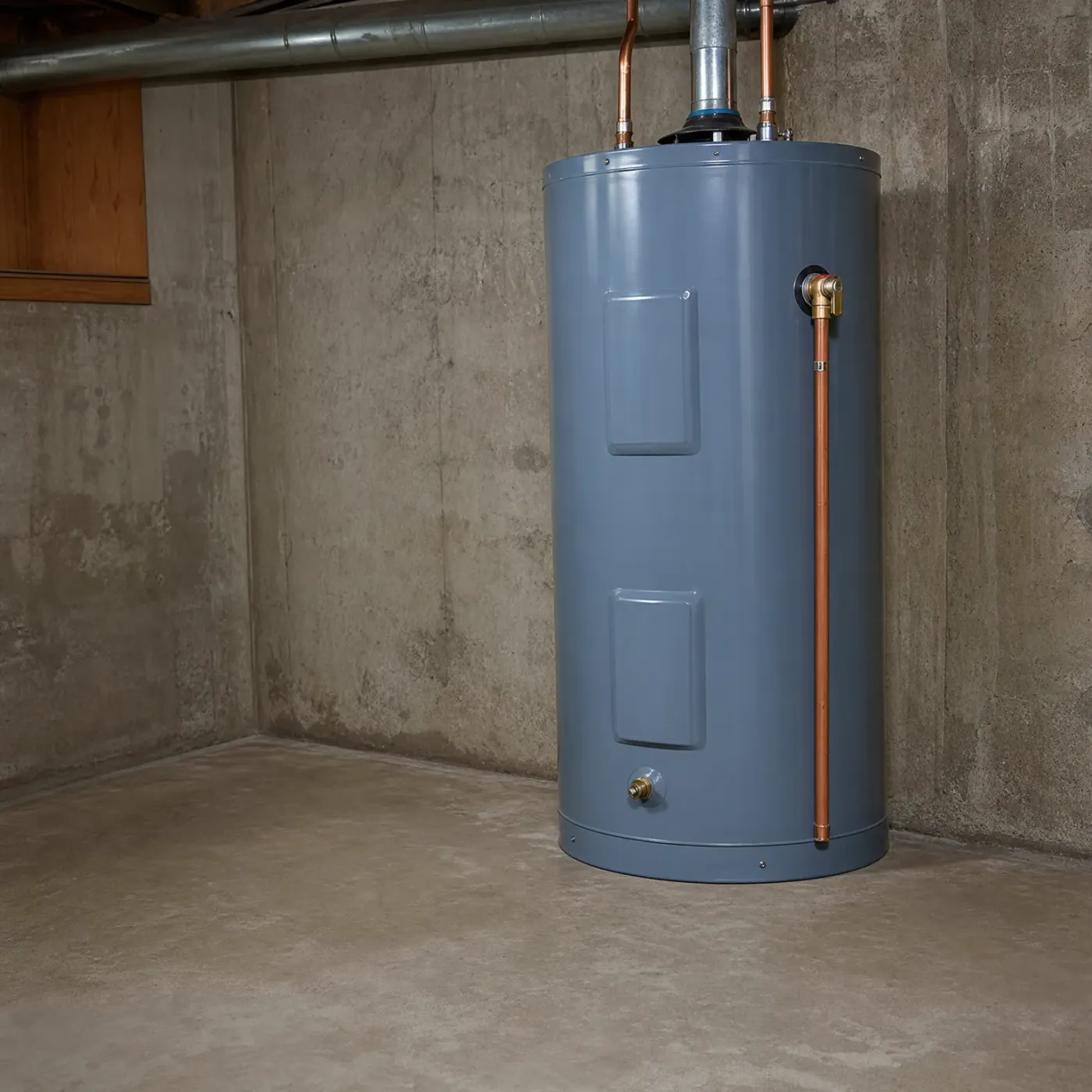
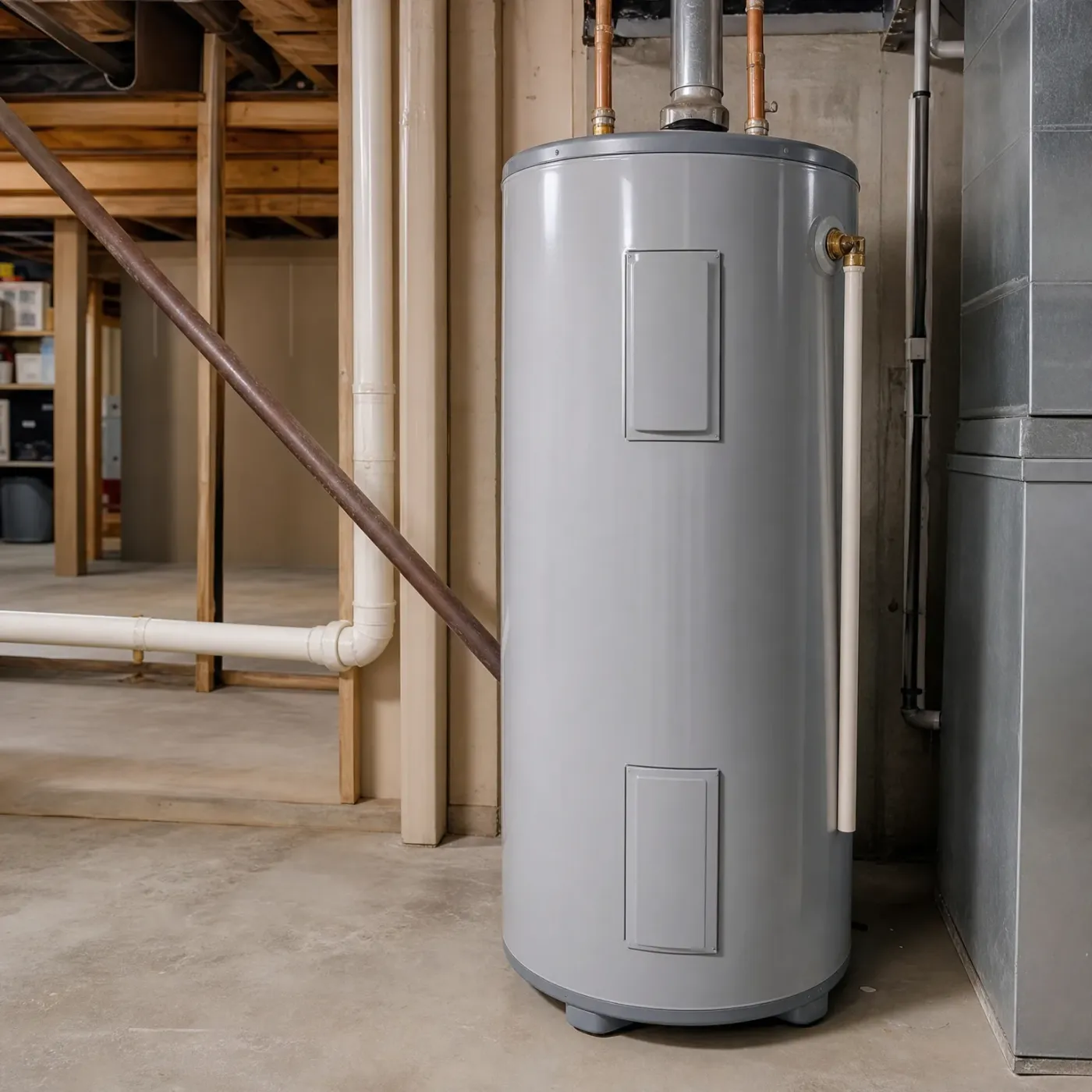
Your water heater runs on a simple setup, and knowing it helps explain why it's leaking. Water comes in through the dip tube and fills the tank, where the burner underneath keeps it hot until you need it. The tank itself is steel with a glass lining, and inside it hangs the anode rod, a piece of metal that's meant to corrode first so the tank doesn't have to. That rod does its job quietly for years. Once it's worn down to bare wire, there's nothing left to protect the steel, and the tank starts rusting from the inside. That rust eventually eats through the metal at its weakest point, usually low on the tank, and shows up as a pinhole leak you can't patch. Sediment adds to the problem. It builds up at the bottom over time, and where it sits against the steel, it holds heat there longer than the metal was built to take, which speeds up a crack. Not every leak means the tank is done, though. The T and P valve on the side is supposed to open and drip if pressure inside gets too high. That's the valve doing its job, not failing. And water around a fitting or union usually means a washer gave out, which a contractor can replace without touching the tank at all. Where the water's coming from tells you which kind of problem you've got.
Done looking for a water heater pro
Only one pro gets your request, so you hear from one company.
Once you send the form, finding a pro is off your list.
Sending the form costs nothing.
Repair the Leak or Replace the Tank
Repair
- A leak at a fitting, the drain valve or the temperature and pressure relief valve can usually be fixed without replacing the tank.
- If the tank is still under warranty, repairing a part makes more sense than paying for a new unit.
- Gas water heaters here often run reliably for years, so a single failed valve doesn't mean the whole thing is done.
- A licensed plumber local to Oklahoma can tell within a few minutes whether the leak is the tank itself or something attached to it.
- Repair costs less upfront and gets hot water back to the house faster than waiting on a new installation.
Replace
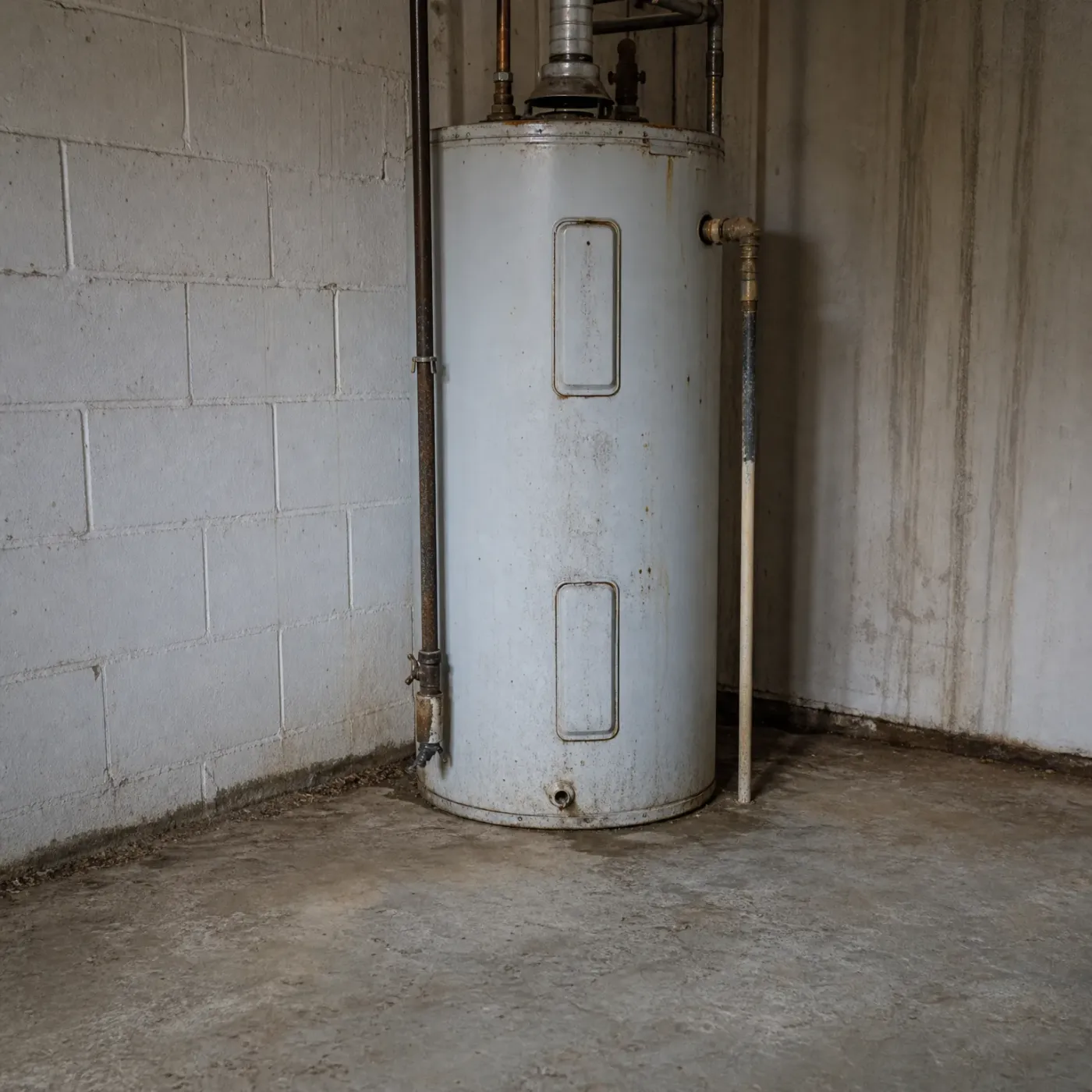
- Water coming from the tank itself, not a fitting, usually means the steel has rusted through and no repair stops that.
- Once the anode rod is gone and the tank starts leaking, the corrosion only gets worse from there.
- A tank that's leaked once from the inside is likely to leak again somewhere else on the same tank.
- Replacing it means choosing a new unit sized for the household rather than patching a tank near the end of its life.
- A plumber who works on these every week in Oklahoma can recommend a replacement that fits the home's gas line and hot water demand.
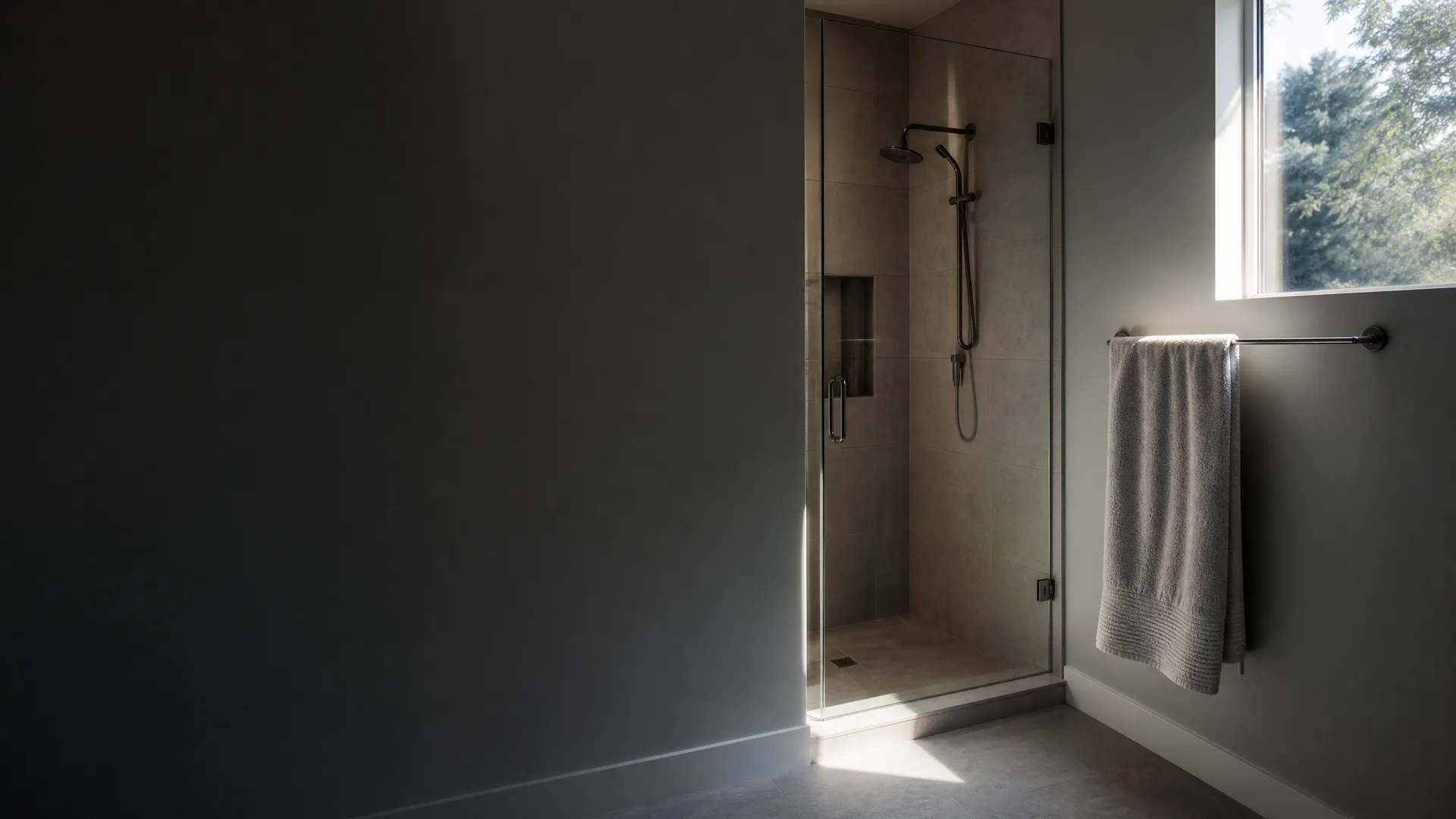
You turn the shower on and wait for steam that doesn't come. The towel's still on the rail where you left it last night. Downstairs, the water heater sits in the closet off the garage, and when you go check it before work, there's a thin puddle spreading from the base toward the floor drain. The gas line and copper pipes above the tank are dry. It's coming from lower down, near the valve. You put a hand on the floor and it's cool and wet, not warm, so it's been sitting a while, maybe since the house went quiet overnight. You've got a full house counting on hot water this morning and now you're standing over a puddle instead of getting ready.
49.7% of homes statewide heat with gas
Gas heats about half the homes in Oklahoma, and most of those run a gas water heater too, with a flue pipe and a burner under the tank. A leak there can mean rust working through the steel, not just a loose fitting, so it's worth having someone check before you're stuck without hot water.
ACS 2020-2024 5-year B25040
A tank set to a higher temperature builds more pressure inside, and the relief valve is built to open and let a little out when that pressure gets too high.
If that valve is dripping steadily instead of only now and then, the thermostat may be set too hot or the valve itself may need replacing, not the whole tank.


A leaking water heater almost always comes down to a fitting, a valve, or the tank itself, and once you know which one, you know what happens next. A loose fitting or a bad relief valve gets fixed in place. A tank that's rusted through gets replaced. Either way, the leak doesn't need to stay a mystery and it doesn't need to sit there getting worse while you decide what to do. A licensed plumber working on gas water heaters around Oklahoma all year sees this same split constantly, the small part that failed versus the tank that's done, and knows which signs point where before the cover even comes off. Send the request and it goes to one local contractor, not a handful of companies competing for the job, so you're not stuck fielding calls all afternoon trying to figure out who to trust. You'll know soon enough whether this is a quick repair or a new tank, and either way the house gets its hot water back and the puddle on the floor stops being your problem to watch.

Water Heater Repair
It's off your list after this

- Tell a local repair pro what your water heater is doing.
- A local pro who knows water heaters gets your details and gets in touch.

- Send the request today and stop worrying about who to call.
- Send the request and finding a pro stops being your problem.

- Describe what your water heater is doing once, in one form.
- Explain the job once and skip repeating it on every call.

- Your request goes to one pro, not a list of companies.
- The pro who reaches out is licensed in Oklahoma.