 Let a pro reach out
Why your water heater is slow to recover in Oklahoma
Send the request today and stop worrying about who to call.
Most homes in Oklahoma run a gas water heater, and when recovery slows down, it's usually the burner, the thermocouple, or a thick layer of sediment sitting on the bottom of the tank keeping the gas from doing its job efficiently. You notice it most after a shower runs long, or when the dishwasher and a load of laundry hit the tank back to back and the second one comes out lukewarm. In the summer, with the house already sticky and humid, waiting around for hot water feels even worse.
A slow tank doesn't fix itself, and it rarely means the whole unit is done. More often it's one part working harder than it should, or water that's been sitting long enough to build up scale on the burner or the dip tube. A contractor who works on these every week in Oklahoma knows which of those it usually is before they even open the panel, because the water here and the way these tanks get installed tends to wear in predictable ways.
Once you send the request, you're not the one calling around. It goes to one licensed contractor working near you, somebody who already knows this equipment and sees this same slow-recovery complaint on repeat through the year. You're not fielding five different quotes from five different companies, just the one call, from somebody who already has a good guess at what's wrong before they walk in the door.
That's the part that lifts off your plate. You stop chasing it down yourself, stop googling part numbers and youtube videos at ten at night, and let somebody who already knows this tank model and this water supply take it from here.
A gas water heater that takes longer to bring a tank back up to temperature is usually fighting sediment. Oklahoma water leaves mineral deposits behind, and over time they settle on the bottom of the tank and sit between the burner and the water itself. The burner still fires the way it always has, but the heat has to pass through that layer before it reaches the water, so recovery stretches out. A dirty burner or a weak thermocouple can slow things down the same way, since either one keeps the flame from doing full work. You'll notice it most after someone runs a load of laundry and showers back to back, when the tank has to recover fast and can't. None of this means the heater is finished. It means something between the flame and the water needs attention, and that's a repair job, not a replacement.
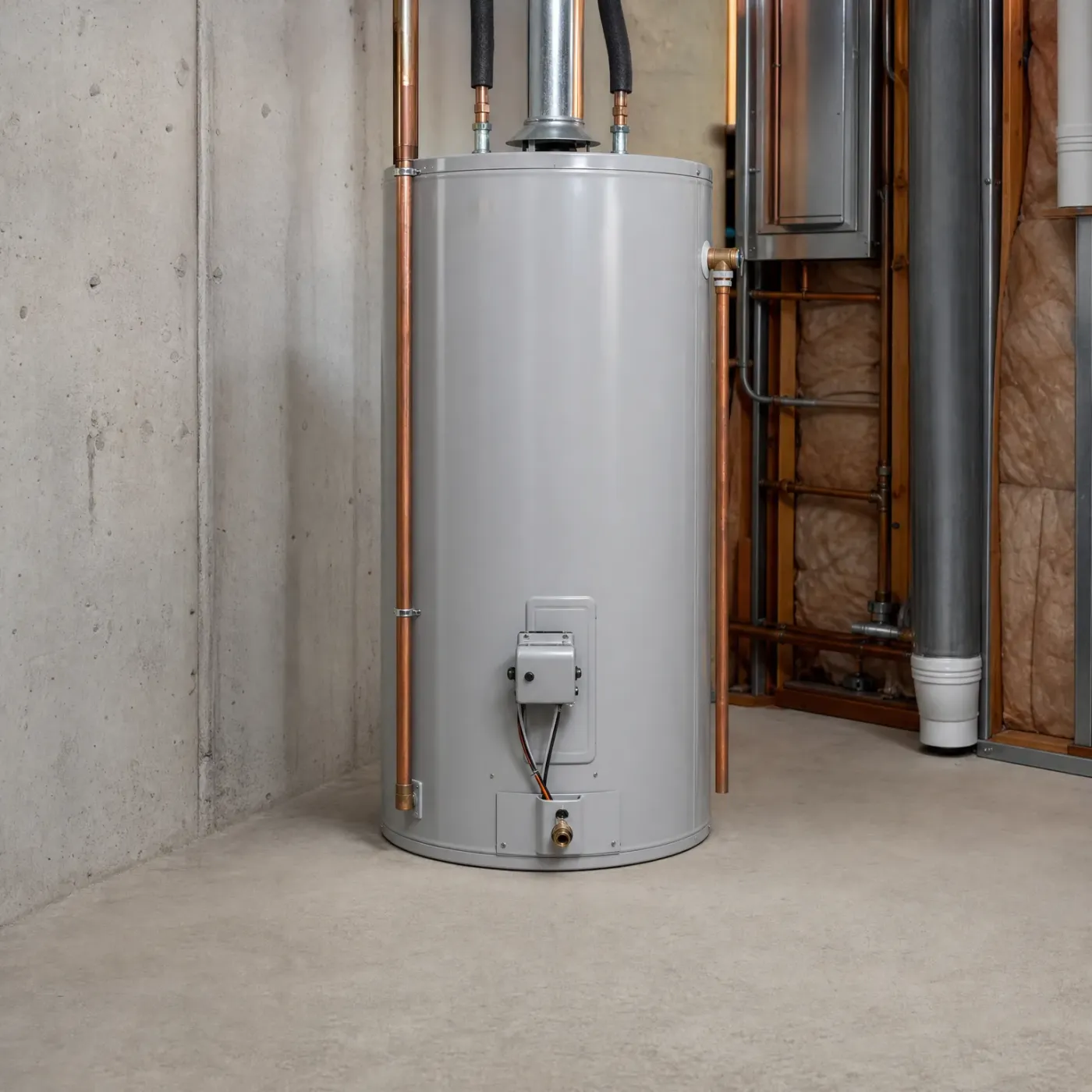
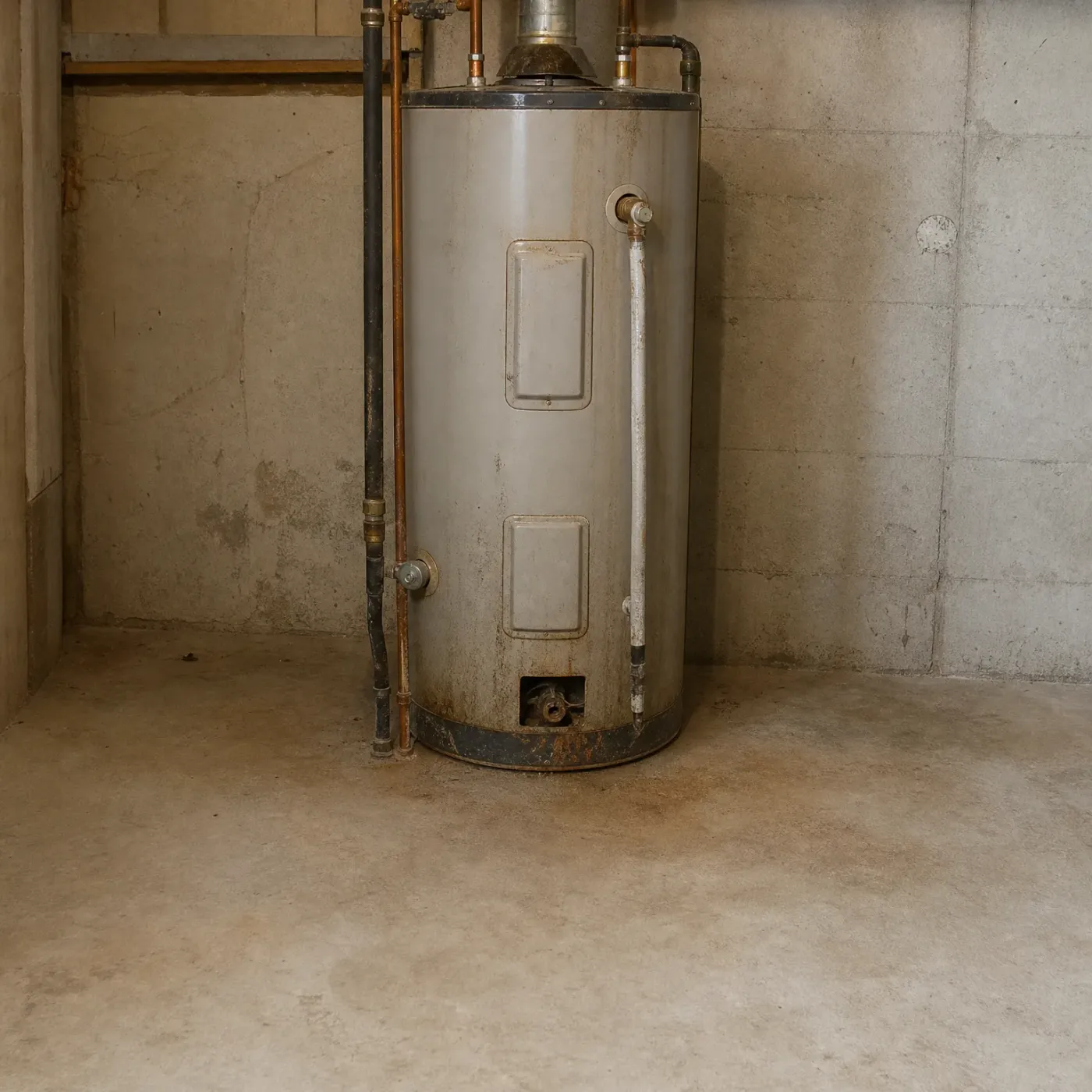
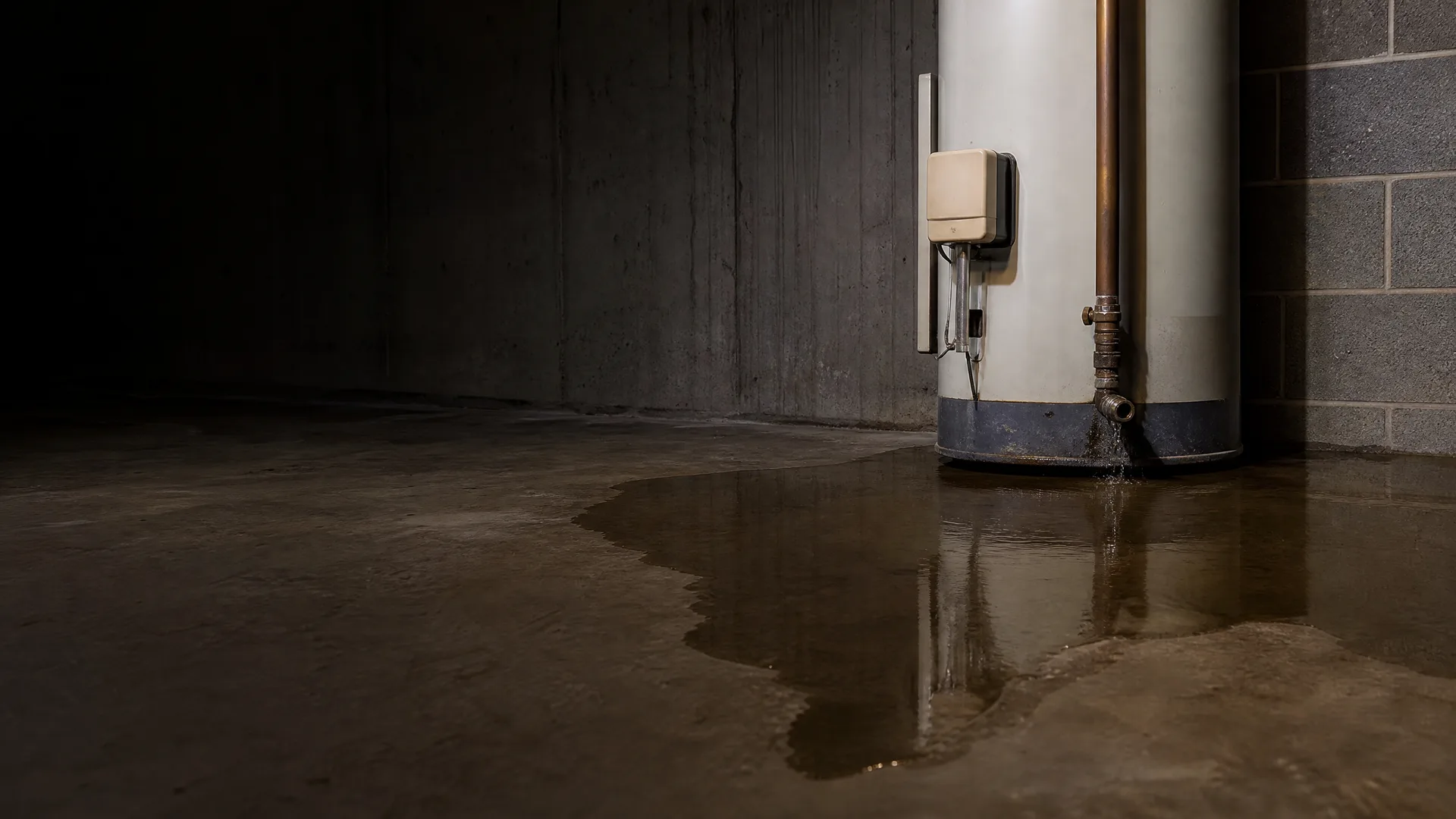
Saturday morning, and you're down in the basement to grab something off the shelf when your shoe hits water. A thin ring of it has spread out from under the tank, dark against the concrete. You crouch down and run a hand along the bottom seam and it's wet there too, not just condensation. The burner's off, the house is quiet except for the furnace fan down the hall. You stand there a second, working out how long it's been since anyone looked at this thing, and whether it's been leaking since last night or just started. Once you send the request, this part stops being yours to figure out.
Hand off the water heater problem

Only one pro gets your request, so you hear from one company.
It costs nothing to send, and you don't have to hire anyone.

Sediment settles on the tank bottom, between the burner and the water
The burner has to fire longer to push heat through that layer
Water near the top warms while the bottom stays cool
Recovery slows and the tank can't keep up with demand
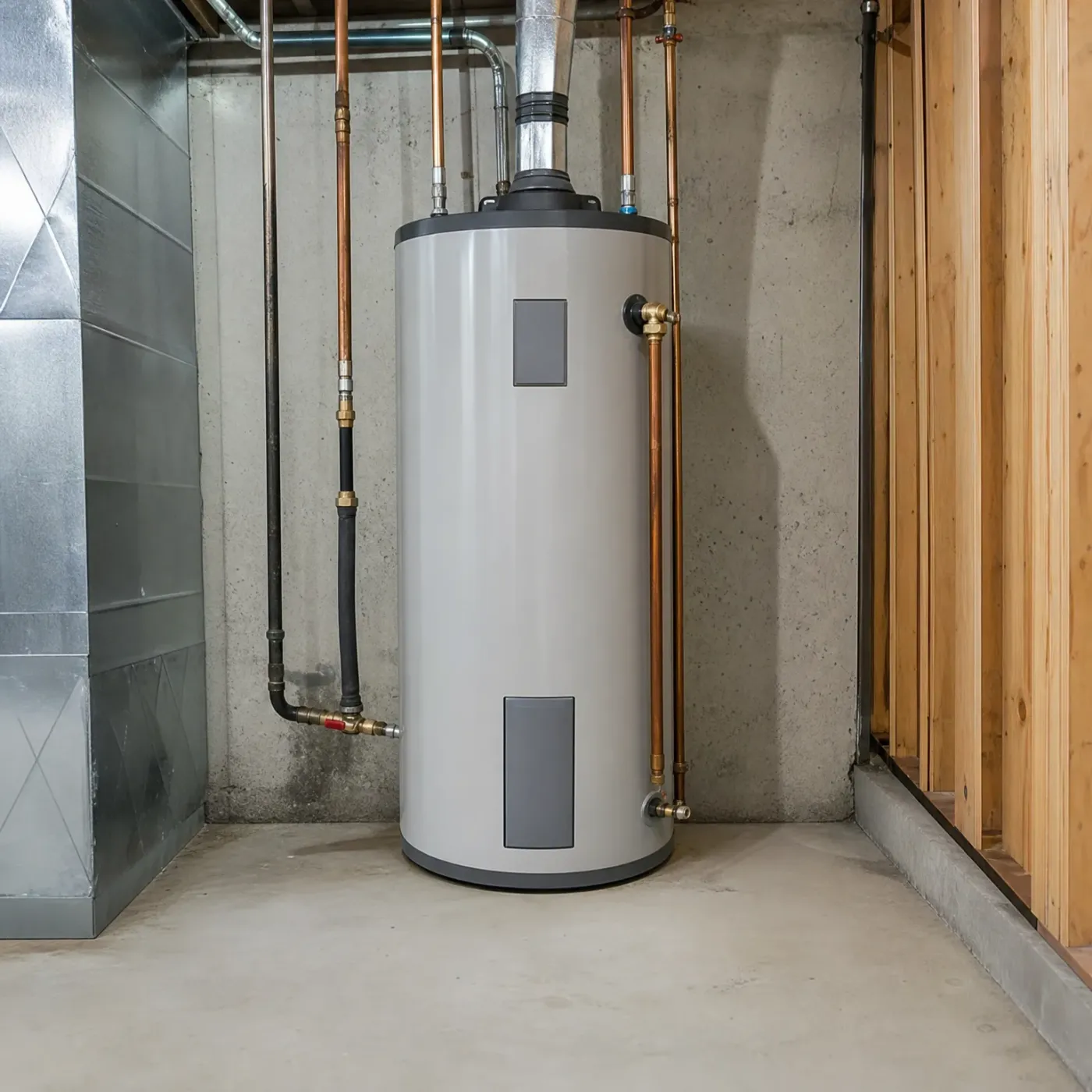
Is your shower running cold too soon?
You run the dishwasher after a shower and the water coming out doesn't get properly hot. Two showers back to back and the second one starts cold halfway through. The burner seems to run longer than it used to, and you can hear it cycling when nobody's using hot water at all. Some households start setting the thermostat higher just to compensate, which only means paying more to heat water that's still taking too long to arrive. Left alone, the sediment causing this keeps building, and the burner keeps working harder against it until something gives, whether that's the burner itself or the tank bottom it's sitting under.




Why does my burner stay on so long before the water gets hot?
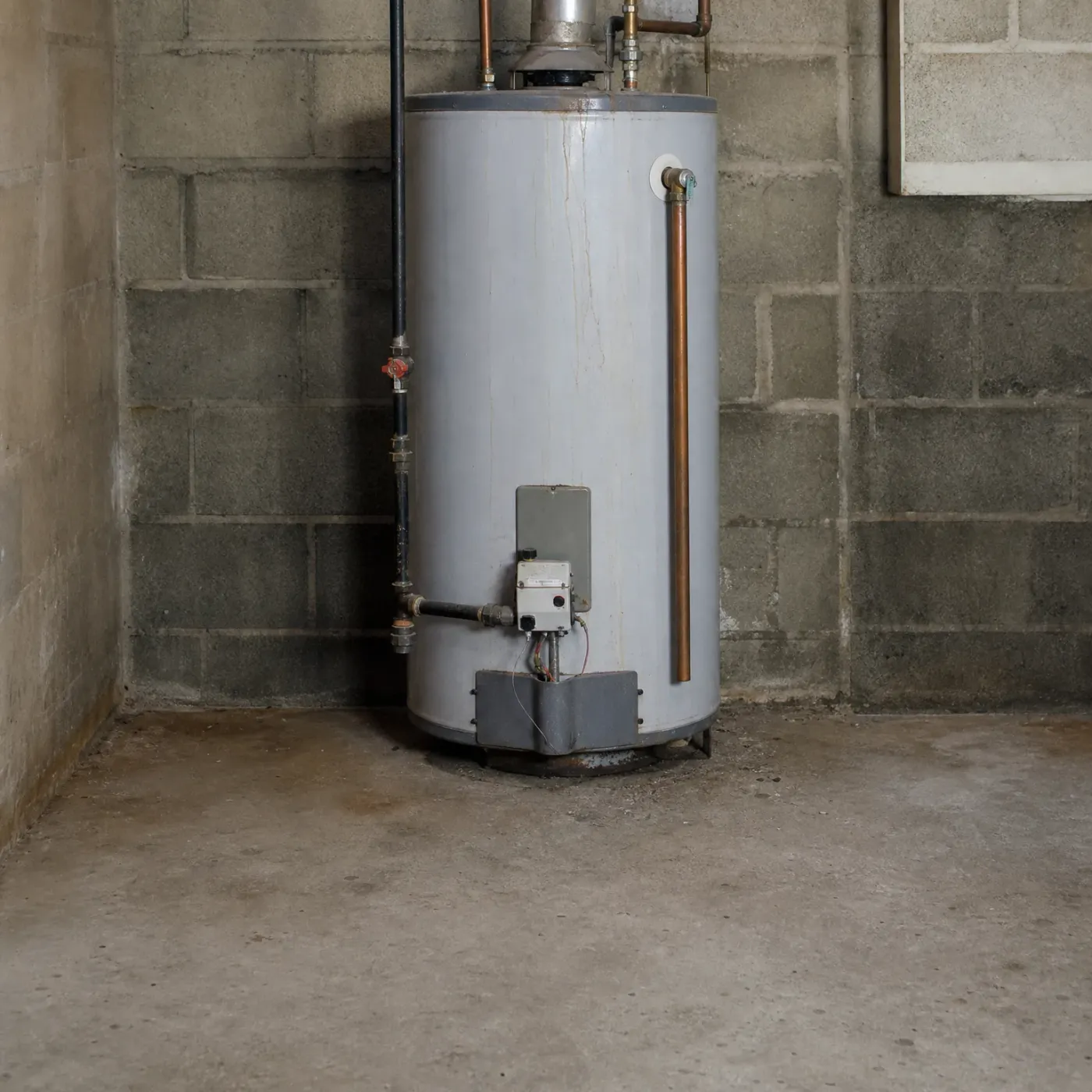
You stand by the water heater and listen to the burner run. A minute passes, then another, and the water upstairs still isn't hot. It used to catch up faster than this. You're not sure if the burner itself is bad or if something is just slowing it down before the heat gets where it needs to go.
The burner is heating sediment before it heats water
A gas burner sits under the tank and heats the metal, which heats the water above it. Sediment from Oklahoma's water supply settles on that same spot at the bottom. The burner has to burn through that layer first, and it takes longer every month as more mineral builds up. So the flame runs and runs, but most of that heat is going into the sediment instead of the water. A technician can flush the tank and check what's left of the burner and thermocouple underneath. If the sediment layer has gotten thick enough, flushing may only buy back some of the recovery time, and that's worth knowing before you decide what to do next.


49.7% of homes statewide heat with gas
Close to half the homes in Oklahoma run on gas, so there's a good chance your water heater has a burner under the tank instead of an electric element inside it. That means slow recovery almost always traces back to the burner itself or what's sitting between it and the water.
ACS 2020-2024 5-year B25040
What Slow Recovery Comes Down To
- Slow recovery on a gas water heater almost always comes down to sediment, a weak thermocouple, or a burner that can't fire the way it should.
- Rust at the base or along the seams means the tank itself is failing and no repair brings that back.
- A local contractor who works on gas water heaters all year knows which of these it is before the panel even comes off.
- Sending one request means one contractor calls, not a handful of companies competing for the job.
- The burner and the thermocouple are parts a licensed contractor can test and replace in the same visit.
- Oklahoma's water is hard enough that sediment buildup is the first thing worth ruling out.
A gas water heater that can't keep up is telling you something specific. Sediment between the burner and the water, a thermocouple that's worn out, a burner that isn't firing clean. Those are the three places to look, and a contractor who works on these tanks all year checks them in that order because that's the order they actually fail in. Rust changes the answer. Rust at the base or along a seam means the tank is going, and no amount of cleaning or part-swapping brings a failing tank back. That's a replacement conversation, not a repair one.
What you get when you send a request is one contractor, local, who sees this problem on gas tanks across Oklahoma every season and already has a sense of what's likely before the access panel comes off. Not three or four companies calling you back within the hour trying to beat each other to the job. One contractor, qualified to test the thermocouple, check the burner, and tell you straight whether you're looking at a cleaning or a part or something bigger.
The water here is hard enough that sediment is worth ruling out first, every time. But ruling it out is the job of someone who can look at your tank and tell you what's actually sitting at the bottom of it, not a guess made from the outside.
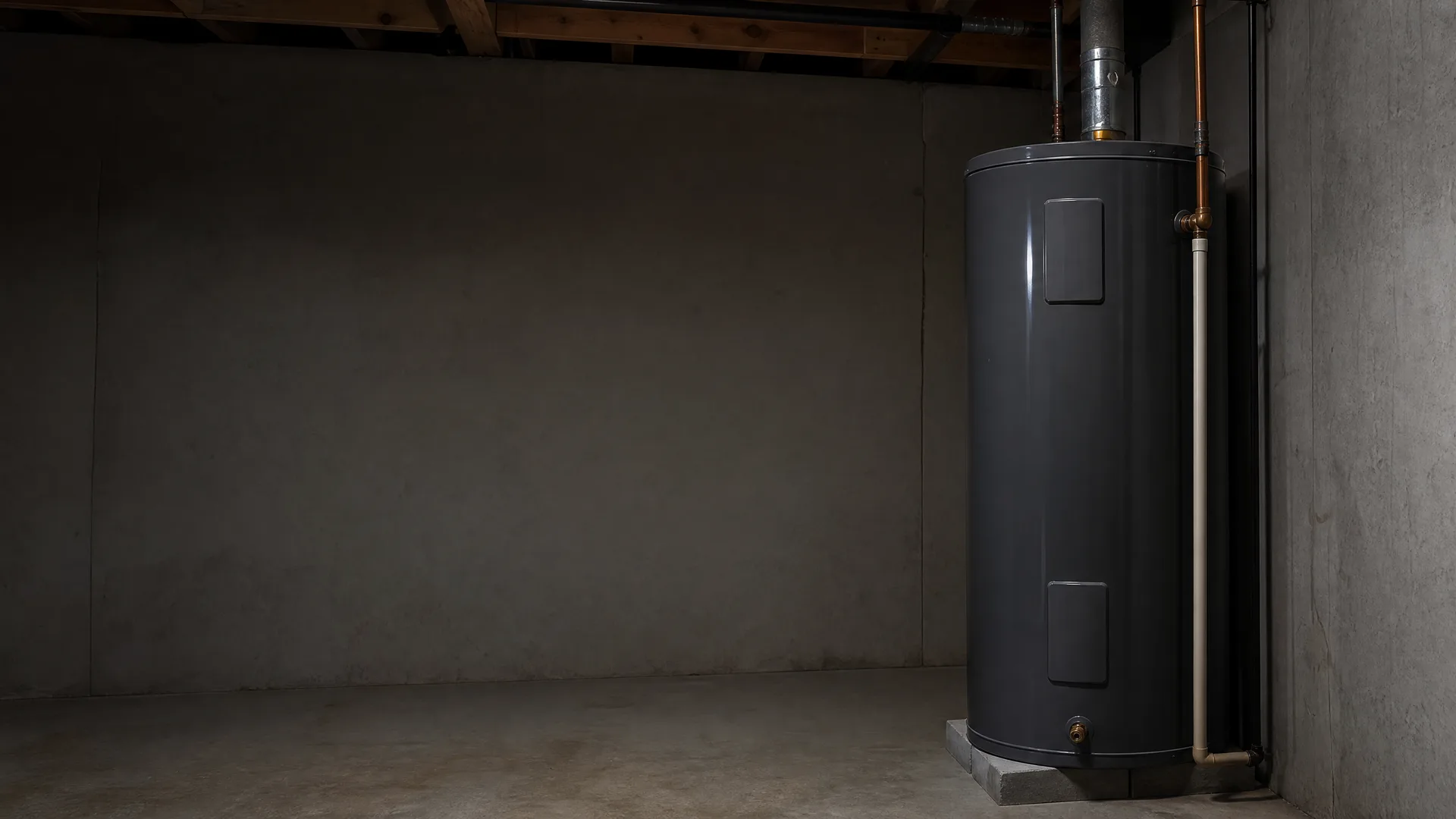
One request and it's handed off
Your request stays with one local pro.